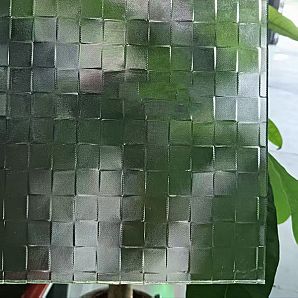
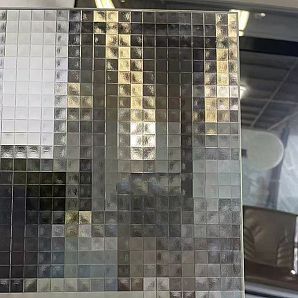
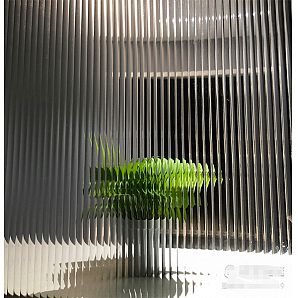
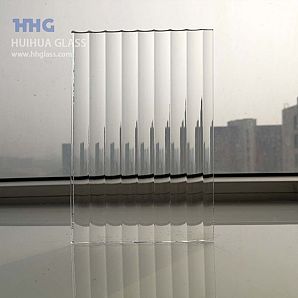
Concave and convex V-shaped grooves are specialized features often found in architectural and functional glass applications. These grooves are not just aesthetic enhancements—they serve specific structural, optical, and functional purposes across a wide range of industries, including construction, interior design, automotive, and electronics.
Below, we explore the key functions and benefits of these grooves in glass materials:
1. Aesthetic Enhancement and Light Control
V-shaped grooves—particularly in decorative glass—create visual depth and elegance. When light hits the angled surfaces, it reflects and refracts differently than it would on a flat pane, adding a shimmering or prismatic effect. This makes grooved glass ideal for:
Partition walls
Shower enclosures
Furniture surfaces
Interior glass panels
The grooves can diffuse light, soften glare, and create privacy without sacrificing transparency.
2. Stress Reduction and Structural Control
In tempered or laminated glass, precisely cut grooves can help manage internal stresses. These V-grooves act as controlled stress relief zones, which may:
Reduce the likelihood of cracking under temperature changes or impact.
Allow better bonding when used in laminated structures or layered composites.
3. Improved Grip and Mechanical Functionality
In certain mechanical and automated systems, such as conveyor tracks or robot-assisted transport equipment using glass substrates, concave or convex V-grooves provide precise paths for guiding or gripping mechanisms. This is especially useful in:
Display technology
Solar panel alignment systems
Precision optical instruments
4. Accommodating Decorative Inserts or Inlays
V-shaped grooves can also be used to seat decorative inlays, metal strips, or LED lighting components. This is common in:
High-end glass door panels
Tabletops
Customized wall art installations
By embedding additional materials within the groove, designers can achieve dimensional contrast and illuminated effects without adhesives or visible mounting hardware.
5. Water and Debris Channeling
In glass roofing or cladding systems, convex or concave grooves serve to channel rainwater, reduce debris accumulation, or improve drainage. This can extend the life of the glass and reduce cleaning and maintenance needs.
6. Optical and Lens Applications
In optical-grade glass, micro V-grooves are used to create light-guiding features or to aid in lens focusing. Such grooves play a role in:
Laser optics
Fiber-optic communication
Light diffusion panels in LED systems
Concave and convex V-shaped grooves in glass are multifunctional design features. They contribute not only to the aesthetic appeal of architectural and decorative glass but also enhance mechanical performance, light control, water management, and optical precision.
Whether you’re an architect, engineer, or product designer, understanding the purpose and potential of these grooves can help you better integrate glass into your projects, enhancing both their utility and style.
Concave and Convex V-shaped Groove is also Suitable for Mirror Glass
Concave and convex V-shaped grooves are often incorporated into mirror designs for both aesthetic and functional purposes. These grooves—etched or cut into the mirror surface—play a significant role in enhancing visual appeal, improving safety, and increasing the utility of the mirror in architectural, decorative, and industrial applications.
1. Aesthetic Enhancement
V-grooves add texture, depth, and a sense of craftsmanship to a plain mirror surface. When light strikes these angled cuts, it reflects in multiple directions, creating an eye-catching sparkle or prism-like effect. This makes V-grooved mirrors popular for:
Frameless decorative mirrors
Bathroom and vanity mirrors
Wall-mounted mirror panels in hotels, lobbies, and homes
The grooves often mimic the look of beveled edges, providing a luxury finish without the need for separate framing.
2. Visual Segmentation or Design Patterns
Concave and convex grooves can be used to divide a large mirror surface into visual sections without using separate glass panels. This creates a grid, diamond, or geometric pattern that adds a unique design flair.
This is useful in:
Architectural wall mirrors
Closet doors
Mirrored furniture surfaces (e.g., sideboards, dressers)
3. Light Diffusion and Reflection Control
The angled surfaces of V-shaped grooves reflect light at different angles compared to the flat mirror. This can:
Soften direct reflections, reducing glare.
Create ambient lighting effects, especially when backlit with LEDs.
Add subtle motion or dimensionality to the mirror image when viewed from different angles.
4. Safety and Edge Reinforcement
While not their primary role, V-grooves can reduce the risk of edge chipping or cracking by diverting mechanical stress points. In laminated mirrors or mirrors used in commercial settings, grooves may also serve as controlled break lines.
5. Support for Inlays or Functional Elements
In some advanced mirror applications, V-shaped grooves are used to embed decorative inlays, such as metallic strips or small LED light fixtures. This is common in:
Smart mirrors
Mirrored signage or displays
High-end architectural installations
6. Enhancing Perceived Depth in Small Spaces
The reflective distortion created by convex or concave grooves can make a mirror appear multi-layered. This adds depth to narrow or compact spaces, making rooms feel larger or more open—especially useful in:
Hallways
Powder rooms
Elevators
The grooves often mimic the look of beveled edges, providing a luxury finish without the need for separate framing.
HHG is a professional glass manufacturer and solution provider, offering a range of products including tempered glass, laminated glass, textured glass, and etched glass, with over 20 years of development experience. There are two production lines for pattern glass, two lines for float glass, and one line for restoration glass. Our products 80% ship to overseas. All our glass products have strict quality control and are carefully packed in strong wooden cases. Ensure you receive the finest quality glass safely in time.
More Details: www.hhglass.com