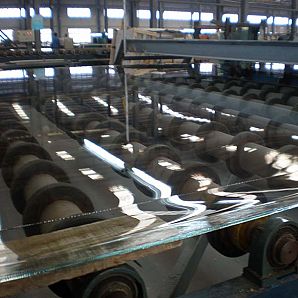
Historic windows are more than architectural elements; they represent the craftsmanship, design style, and cultural value of a specific era. When restoring old buildings, replacing damaged window panes with modern flat glass can often reduce the authenticity of the structure. Restoration window glass, also known as antique glass, wavy glass, or old-style glass, provides a solution by recreating the unique appearance of traditional handmade glass while meeting modern restoration requirements.
From historic homes and museums to period-style furniture and architectural preservation projects, restoration glass helps maintain the original character and visual identity of vintage buildings.
What Is Restoration Window Glass?
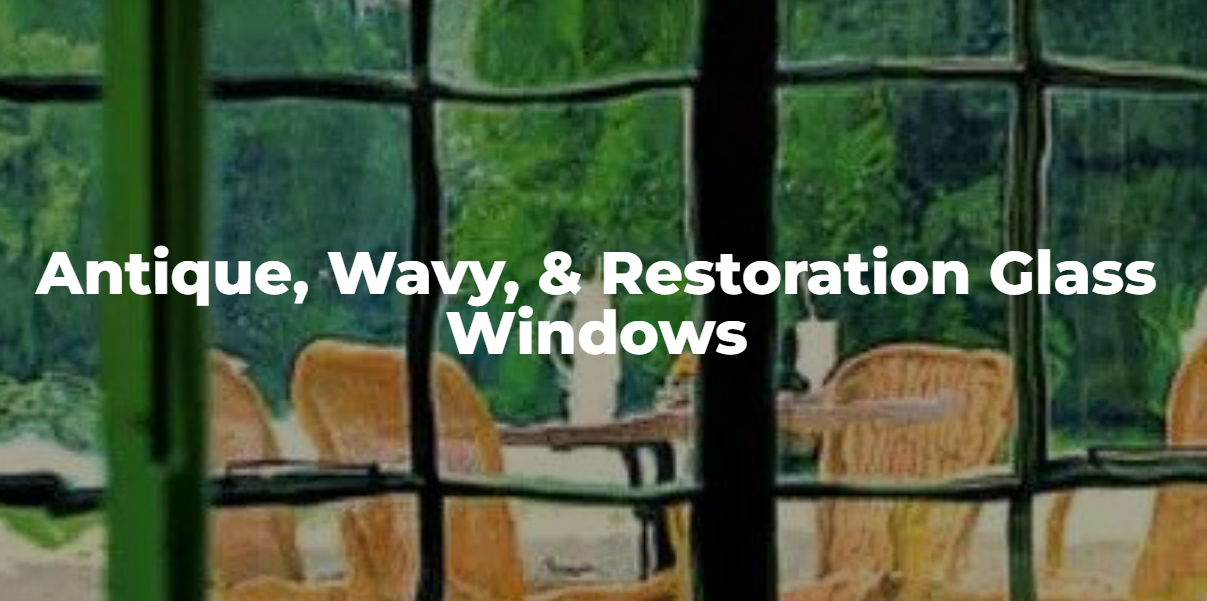
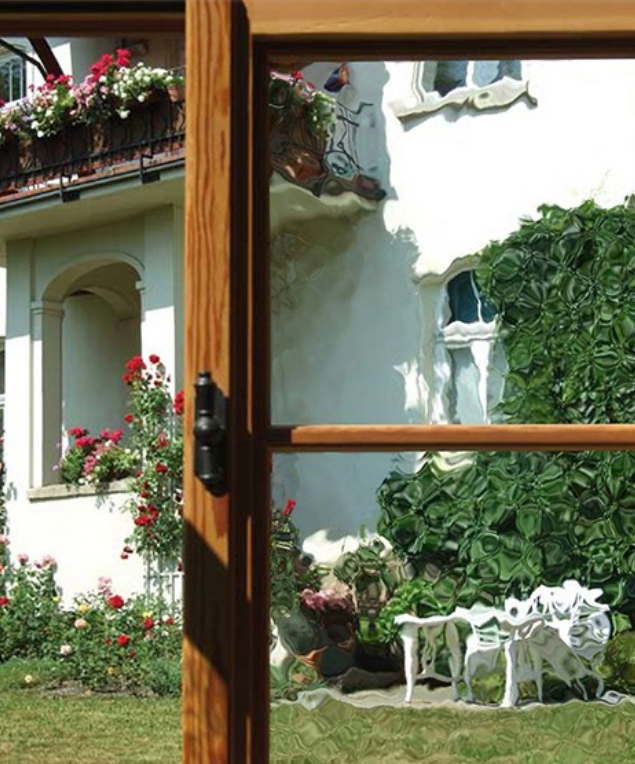
Restoration window glass is specially manufactured glass designed to replicate the appearance of historic window glass produced from the 17th century through the early 20th century. Unlike modern float glass, which has a perfectly flat and uniform surface, traditional glass often contains natural variations, slight distortions, and small air bubbles created during handmade production processes.
These imperfections are not considered defects. Instead, they are the defining characteristics that give antique windows their unique charm.
When sunlight passes through restoration glass, the subtle waves and texture create a natural visual effect that cannot be achieved with standard modern glass.
Common names include:
Restoration glass
Antique window glass
Wavy glass
Vintage glass
Historic restoration glass
Why Is Restoration Glass Important for Historic Buildings?
Many older buildings were originally built with handmade or early manufacturing glass. Replacing these windows with modern clear glass may improve uniformity but can negatively affect historical accuracy.
Restoration window glass helps preserve:
1. Historical Authenticity
Historic preservation projects often aim to maintain the original appearance of buildings. Restoration glass recreates the visual characteristics of older windows, allowing architects and homeowners to preserve the building’s original style.
It is commonly used for:
Victorian homes
Colonial buildings
Historic landmarks
Museums
Antique furniture restoration
2. Unique Visual Character
The natural distortion of restoration glass creates movement and depth when viewed from different angles.
Compared with modern flat glass, antique-style glass provides:
Soft visual texture
Handmade appearance
Historical atmosphere
Natural light diffusion
This makes each window appear unique and handcrafted.
3. Preservation of Architectural Value
Windows are often one of the most recognizable features of historic buildings. Original glass contributes to the overall architectural identity.
Using restoration glass allows property owners to:
Maintain period details
Preserve original design intent
Increase historical value
Avoid a modern appearance mismatch
How Is Restoration Window Glass Made?
Traditional window glass was historically produced using handmade techniques, including mouth-blown and cylinder glass methods. Modern restoration glass manufacturers combine traditional craftsmanship with controlled production methods to reproduce the appearance of antique glass while improving consistency.
Mouth-Blown Glass
Mouth-blown restoration glass is produced using traditional artisan techniques. The process creates natural variations, including:
Gentle surface waves
Small air bubbles
Uneven thickness
This type of glass is often selected for high-end restoration projects requiring maximum historical accuracy.
Modern Reproduction Glass
Some restoration glass products use advanced manufacturing methods to simulate historic characteristics while providing improved availability and size options.
For example, period-inspired collections can recreate glass styles from different historical periods, such as the 1800s and early 1900s.
Types of Restoration Window Glass
Different restoration projects require different levels of texture and distortion. Manufacturers offer various styles to match specific historical periods.
1. Light Restoration Glass
Light restoration glass provides a subtle antique appearance.
Features:
Minimal distortion
Occasional small bubbles
Soft visual movement
It is suitable for projects where a historic appearance is desired but a clearer view is preferred.
Applications:
Residential restoration
Interior doors
Cabinet glass
Decorative windows
2. Full Restoration Glass
Full restoration glass provides stronger historical characteristics.
Features:
More visible waves
Greater surface movement
Traditional handmade appearance
Applications:
Historic landmarks
Museum restoration
Period architecture
3. Wavy Glass
Wavy glass is one of the most recognizable forms of restoration window glass.
Its uneven surface creates the classic appearance commonly seen in older homes and buildings.
Benefits:
Authentic vintage look
Decorative appearance
Suitable for antique restoration
4. Low-E Restoration Glass
Some modern restoration glass options combine historic appearance with improved energy performance.
Low-E restoration glass incorporates energy-efficient coatings while maintaining a traditional visual style.
Advantages:
Better insulation performance
Reduced heat transfer
Improved energy efficiency
This option is suitable for homeowners who want historical appearance with modern comfort.
Common Applications of Restoration Window Glass
1. Historic Building Restoration
The most important application of restoration glass is preserving historic architecture.
Projects include:
Heritage buildings
Old churches
Government buildings
Historical residences
Restoration glass allows damaged or missing panes to be replaced without changing the building’s original appearance.
2. Antique Home Renovation
Many owners of older homes prefer restoration glass because it matches existing windows better than standard glass.
Applications include:
Victorian houses
Farmhouses
Colonial homes
Craftsman-style houses
The glass helps maintain the original character of the property.
3. Furniture and Interior Design
Restoration glass is also used in decorative applications.
Examples:
Antique cabinets
Display cases
Interior partitions
Decorative doors
The unique texture adds craftsmanship and visual interest to interior spaces.
4. New Buildings with Historic Style
Restoration glass is not limited to old structures. Some new construction projects use antique-style glass to create a traditional or vintage appearance.
Applications include:
Boutique hotels
Restaurants
Luxury residences
Traditional-style architecture
Restoration Glass vs Modern Float Glass
The main difference between restoration glass and modern float glass is appearance.
| Feature | Restoration Glass | Modern Float Glass |
|---|---|---|
| Surface | Slight waves and texture | Extremely flat |
| Appearance | Historic handmade look | Clean and uniform |
| Character | Unique visual movement | Standardized appearance |
| Best Use | Restoration projects | Modern buildings |
Modern glass provides excellent clarity and consistency, but restoration glass offers authenticity and traditional beauty.
How to Choose the Right Restoration Window Glass?
Choosing the correct restoration glass depends on several factors:
1. Historical Period
The glass style should match the original construction period.
Different eras may require different levels of:
Distortion
Thickness
Surface texture
2. Level of Visual Distortion
Consider whether the project requires:
Slight antique appearance
Strong handmade character
Maximum historical accuracy
Light restoration glass works well for subtle designs, while full restoration glass provides a stronger vintage effect.
3. Glass Thickness
Restoration glass is available in different thicknesses depending on:
Window structure
Safety requirements
Installation method
Professional advice is recommended for historic restoration projects.
Conclusion
Restoration window glass plays an important role in preserving the beauty and authenticity of historic architecture. Unlike modern flat glass, it recreates the natural waves, textures, and imperfections that define traditional handmade glass.
Whether used for historic buildings, antique homes, furniture restoration, or period-style interiors, restoration glass provides a balance between traditional craftsmanship and modern manufacturing capabilities.
By selecting the right type of restoration window glass, architects, designers, and homeowners can protect architectural heritage while maintaining the timeless beauty of original window designs.
HHG is a professional glass manufacturer and glass solution provider, including a range of tempered glass, Restoration Glass, laminated glass, textured glass, and etched glass, with more than 20 years of development. There are two production lines for pattern glass, two lines for float glass, and one line for restoration glass. Our products 80% ship to overseas. All our glass products have strict quality control and are carefully packed in strong wooden cases. Ensure you receive the finest quality glass safely in time.
More Details: www.hhglass.com