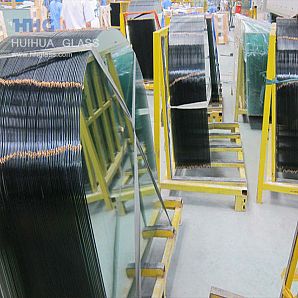
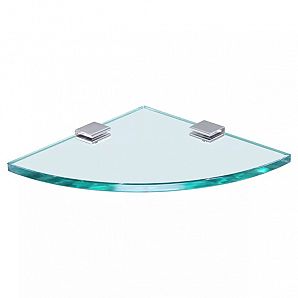
Fully tempered glass is a cornerstone of modern architectural design, offering exceptional mechanical strength and safety fragmentation. However, standard tempered glass carries an inherent, unpredictable risk: spontaneous breakage caused by microscopic nickel sulfide (NiS) inclusions trapped during manufacturing.
1. Understanding Standard Tempered Glass
Standard tempered glass is produced by heating float glass to approximately 600°C–680°C and rapidly quenching it. This rapid cooling creates surface compression, making the glass 4 to 5 times stronger than annealed glass.
The Vulnerability: Microscopic NiS impurities can occasionally form within the glass matrix. Over time, these inclusions undergo a phase change, expanding within the glass's internal tension core.
The Result: This expansion can trigger sudden, spontaneous breakage without any external impact or warning.
2. What Is Heat Soak Tested (HST) Glass?
HST glass starts as standard fully tempered glass but undergoes an additional destructive testing process designed to weed out flawed panels before they reach the job site:
The Process: Finished tempered glass lites are placed inside a specialized heat-soak oven, slowly reheated to roughly 290°C, and held at that temperature for several hours.
The Principle: This controlled thermal cycle accelerates the expansion of any unstable nickel sulfide inclusions. Any pane containing a hidden flaw will intentionally shatter inside the oven.
The Guarantee: Panels that survive the heat soak test have a drastically reduced probability of future spontaneous failure, offering near-total reliability for critical architectural installations.
3. Key Comparison: At a Glance
| Feature | Standard Tempered Glass | Heat Soak Tested (HST) Glass |
| Manufacturing Process | Heated and rapidly quenched | Tempered glass + secondary thermal oven cycle |
| Mechanical Strength | 4–5x stronger than annealed glass | Identical to standard tempered glass |
| Optical Clarity & Finish | Identical (Visually indistinguishable) | Identical (Visually indistinguishable) |
| Risk of Spontaneous Breakage | Low, but possible (~1 in 1,000 panes) | Minimized exponentially (<1 in 10,000 panes) |
| Primary Standard Compliance | ASTM C1048 / EN 12150 | EN 14179-1 / ISO 20657 |
4. When to Specify HST Glass vs. Standard Tempered Glass
Choose Standard Tempered Glass For:
Standard residential applications, interior partitions, shower enclosures, balustrades, and low-rise building glazing where spontaneous breakage poses minimal safety hazards or replacement liabilities.
Choose Heat Soak Tested (HST) Glass For:
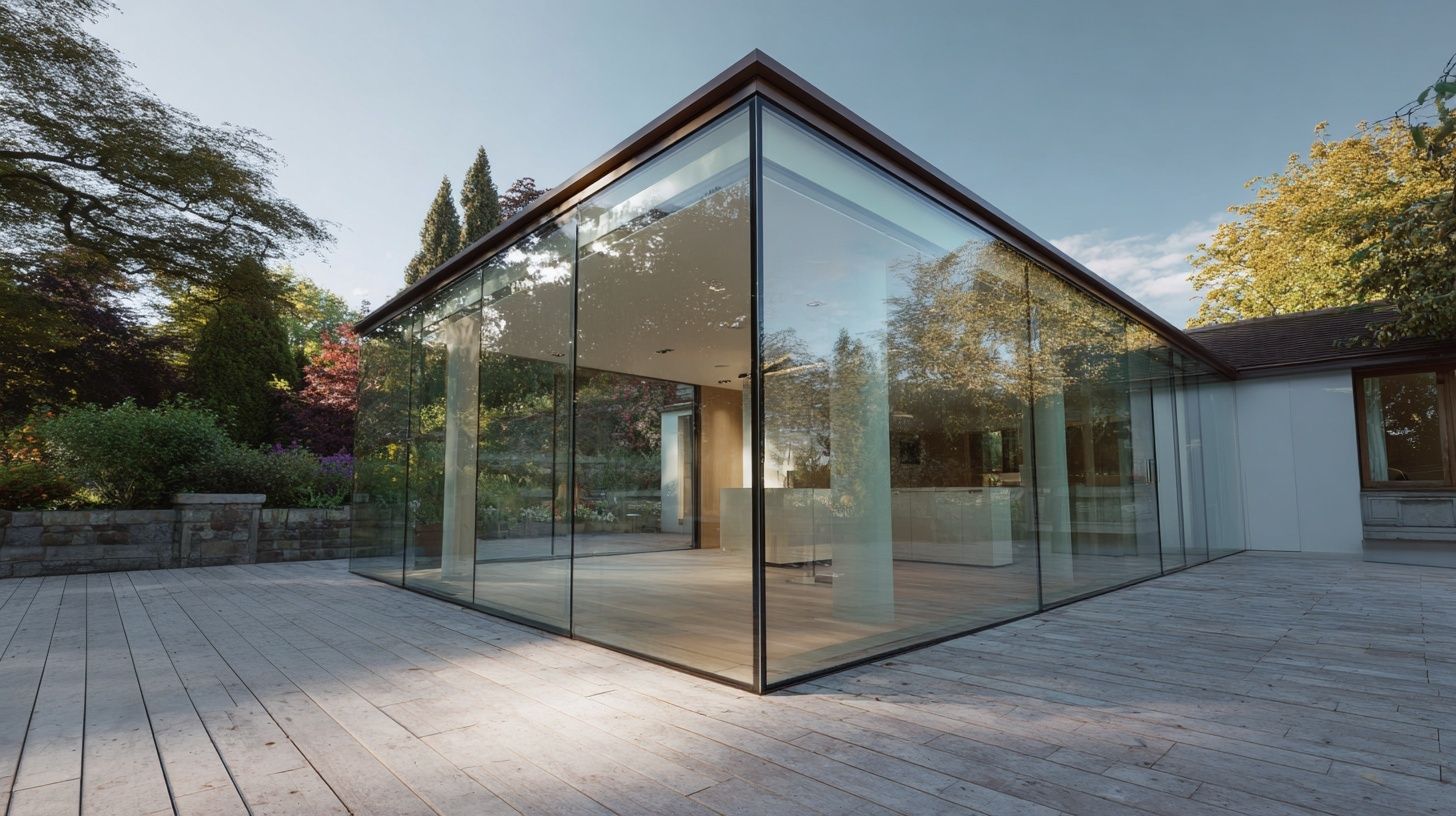
High-rise building facades, structural overhead glazing, glass fins, frameless structural canopies, and high-traffic public installations where fallen glass or post-installation replacement is extremely costly, dangerous, or logistically difficult.
Summary
While standard tempered glass provides the baseline strength required for modern safety codes, Heat Soak Tested glass adds a critical layer of operational certainty. For project engineers and building owners, investing in HST glass eliminates the uncertainty of nickel sulfide inclusions, safeguarding both human safety and project reputation.
HHG is a professional glass manufacturer and glass solution provider, including a range of tempered glass, Restoration Glass, laminated glass, textured glass, and etched glass, with more than 20 years of development. There are two production lines for pattern glass, two lines for float glass, and one line for restoration glass. Our products 80% ship to overseas. All our glass products have strict quality control and are carefully packed in strong wooden cases. Ensure you receive the finest quality glass safely in time.
More Details: www.hhglass.com