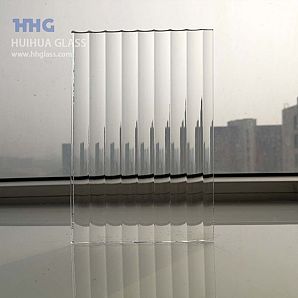
Satin Glass in Double Glazing: The Pros & Cons

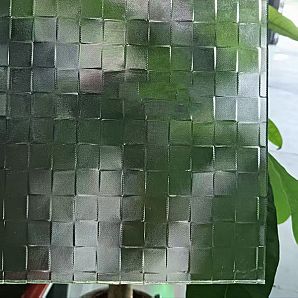
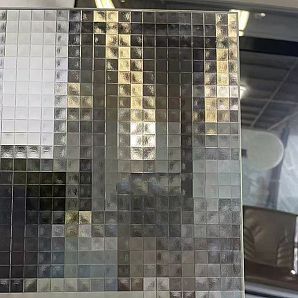
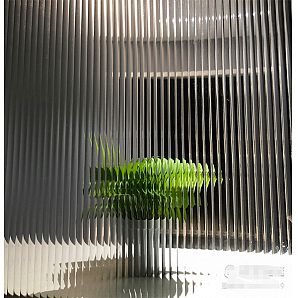
Satin glass, also known as obscured, frosted, or textured glass, has gained popularity in both residential and commercial properties, particularly in double-glazed windows and doors. This article explores the reasons behind its growing appeal and highlights both the advantages and disadvantages of choosing satin glass for your home.
Satin glass undergoes a special treatment that results in a smooth, diffused finish, offering a combination of privacy and aesthetic appeal. It's often used in bathrooms, bedrooms, and offices, providing a range of benefits while also presenting some drawbacks to consider before making your decision.
What Is Satin Glass?
If you're searching for a blend of style and functionality, satin glass might be the perfect choice. Known for its translucent appearance, it maintains privacy while still allowing natural light to filter through, making it ideal for spaces like bathrooms and bedrooms.
In addition to its use in windows and doors, satin glass is also popular in furniture, such as cabinets and tabletops. Its durability and scratch-resistant nature ensure it remains visually appealing even with regular use. The matte finish reduces glare and fingerprints, making it a low-maintenance option for those who dislike frequent cleaning.
The unique look of satin glass is achieved through a specialized acid-etching process that creates a smooth, uniform matte finish. This process not only gives the glass its distinctive appearance but also offers several practical benefits for homeowners.
Is Satin Glass in Your Windows and Doors a Smart Choice?
Satin glass in double-glazed windows and doors offers numerous benefits. Double glazing typically consists of two panes of glass with a gap in between, often filled with a gas like argon, to create an insulated glass unit (IGU). This construction improves energy efficiency, soundproofing, and overall interior comfort.
Common styles of double-glazed windows include:
Sash Windows: Featuring two panels that slide vertically, providing ample ventilation and a traditional aesthetic.
Double-Hung Windows: With two stacked, movable sashes, these windows offer versatility and improved airflow.
Casement Windows: Hinged at the side and swinging outward, these windows maximize ventilation and are known for their energy efficiency.
When you choose satin glass for your double-glazed windows and doors, you'll enjoy additional privacy and elegance, particularly in areas like bathrooms, bedrooms, and entryways.
Advantages of Satin Glass in Double Glazing
Privacy and Aesthetic Appeal: Satin glass provides enhanced privacy without sacrificing natural light. Its opaque nature prevents clear visibility, adding security to spaces like bathrooms and offices, while also contributing a modern, elegant look to your home.
Energy Efficiency and Low-E Coating: Double-glazed windows and doors are known for energy efficiency, and satin glass can further enhance these properties. Low-emissivity (Low-E) coatings can be applied to satin glass to reduce heat transfer, lower energy consumption, and improve insulation.
Safety and Durability: Satin glass can be made using tempered or annealed glass. Tempered glass is stronger and shatters into small, rounded fragments when broken, reducing injury risk. Annealed glass, while less strong, is more cost-effective and still suitable for double glazing.
Noise Reduction: Satin glass in double-glazed windows offers sound insulation, making it ideal for homes or offices in noisy areas.
Disadvantages of Satin Glass in Double Glazing
Light Transmission: Although satin glass allows light to pass through, it may reduce brightness compared to clear glass.
Cost: Satin glass is more expensive than standard clear glass due to the acid-etching process and the added expense of double glazing.
Cleaning and Maintenance: Despite its smooth finish, satin glass can be challenging to clean as it is more prone to collecting dirt, dust, and fingerprints, requiring more frequent upkeep.
Limited Options: Satin glass may not be available in as many styles, colors, or patterns as standard glass, potentially limiting aesthetic choices and impacting energy efficiency.
Common Uses of Satin Glass
Residential Housing: Satin glass is commonly used in residential applications to enhance both appearance and functionality. It’s ideal for rooms requiring privacy and natural light, such as living spaces, bedrooms, and bathrooms.
Partitions: In both residential and commercial settings, satin glass partitions offer a stylish solution to create divisions while maintaining an open, bright atmosphere.
Shower Enclosures: Satin glass is popular for shower enclosures, providing a sleek, minimalist look with added privacy and easy maintenance.
Installation Considerations
Installing satin glass in double-glazed windows and doors requires careful consideration of the correct procedures and materials. Consulting with a professional double glazing company is recommended to ensure proper installation and the most effective use of satin glass.
While satin glass in double glazing has its pros and cons, it can be an excellent solution for homeowners seeking privacy, style, and energy efficiency. This versatile glass type can ease maintenance chores and provide peace of mind when it comes to security.
HHG is a professional glass manufacturer and glass solution provider includes range of tempered glass, laminated glass, textured glass and etched glass. With more than 20 years of development. There are two produce lines of pattern glass , two lines of float glass , and one line of restoration glass. our products 80% ship to overseas. All our glass products have strict quality control and carefully packed in strong wooden cases. Ensure you receive the finest quality glass safely in time.
More Details: www.hhglass.com