What Kind of Glass Can be Used to Build a Glass House?

Building a glass house requires careful consideration of the types of glass used to ensure durability, insulation, safety, and aesthetic appeal. Here are the most commonly used types of glass for constructing a glass house:
1. Tempered Glass
Description: Also known as toughened glass, it is heat-treated to increase strength and safety.
Benefits:
Breaks into small, blunt pieces instead of sharp shards, reducing injury risk.
Highly resistant to impact and temperature fluctuations.
Applications: Ideal for walls, windows, and doors.
2. Laminated Glass
Description: Composed of multiple layers of glass with a layer of plastic (PVB or EVA) sandwiched between them.
Benefits:
High safety level; holds together when broken.
Excellent UV protection and sound insulation.
Applications: Used for roofs, large windows, and areas requiring enhanced security.
3. Insulated Glass Units (IGUs)
Description: Two or more glass panes separated by a spacer and sealed to create a gap filled with air or inert gas.
Benefits:
Exceptional thermal insulation, reducing heating and cooling costs.
Minimizes condensation and improves energy efficiency.
Applications: Commonly used in windows and curtain walls.
4. Low-E Glass (Low-Emissivity Glass)
Description: Coated with a thin metallic layer that reflects heat while allowing light to pass through.
Benefits:
Improves energy efficiency by reflecting indoor heat in winter and outdoor heat in summer.
Enhances indoor comfort by reducing glare and UV exposure.
Applications: Best for energy-efficient glass houses.
5. Tinted Glass
Description: Glass with added color to reduce heat and glare.
Benefits:
Enhances privacy and reduces solar heat gain.
Offers aesthetic versatility with various shades.
Applications: Suitable for sun-exposed facades or decorative elements.
6. Reflective Glass
Description: Coated with a metallic layer that gives a mirrored appearance and reflects sunlight.
Benefits:
Reduces solar heat gain and enhances privacy during the day.
Improves energy efficiency.
Applications: Often used in areas requiring privacy or heat control.
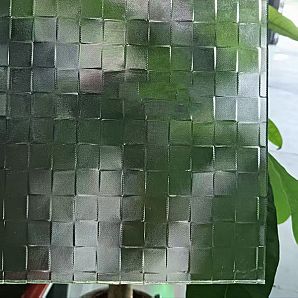
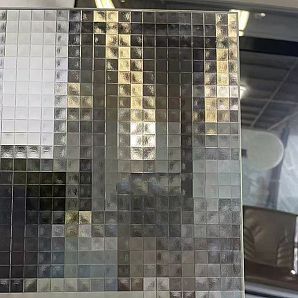
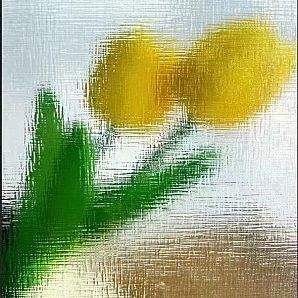
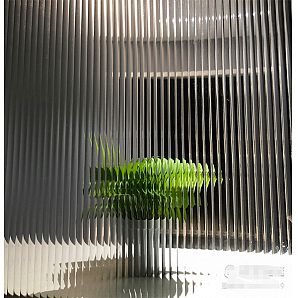
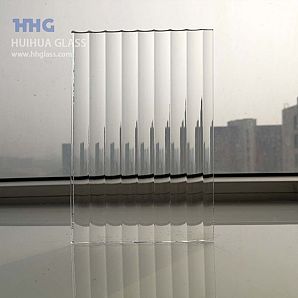
7. Frosted or Patterned Glass
Description: Glass with an etched or patterned surface for aesthetics and privacy.
Benefits:
Diffuses light while maintaining privacy.
Adds a decorative element to the structure.
Applications: Interior partitions or areas where privacy is important.
8. Smart Glass (Electrochromic or Switchable Glass)
Description: Glass that changes transparency with the application of an electrical current.
Benefits:
Provides on-demand privacy and light control.
Enhances energy efficiency by reducing the need for blinds or curtains.
Applications: Used for windows, skylights, and walls.
9. Double-Glazed or Triple-Glazed Glass
Description: Similar to IGUs but with multiple panes for added insulation.
Benefits:
Exceptional thermal performance.
Better soundproofing and security.
Applications: Ideal for energy-efficient glass houses in extreme climates.
Key Considerations for Glass Selection:
Climate: Use insulated or low-E glass for temperature control in extreme climates.
Safety: Incorporate tempered or laminated glass in areas prone to breakage.
Design: Combine different glass types to balance aesthetics, functionality, and privacy.
Energy Efficiency: Opt for Low-E or double-glazed glass to reduce energy consumption.
By carefully selecting the right glass types, you can build a glass house that is not only visually stunning but also safe, comfortable, and energy-efficient.
HHG is a professional glass manufacturer and glass solution provider includes range of tempered glass, laminated glass, textured glass and etched glass. With more than 20 years of development. There are two produce lines of pattern glass , two lines of float glass , and one line of restoration glass. our products 80% ship to overseas. All our glass products have strict quality control and carefully packed in strong wooden cases. Ensure you receive the finest quality glass safely in time.
More Details: www.hhglass.com