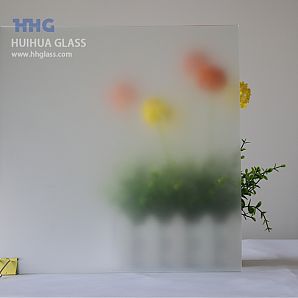
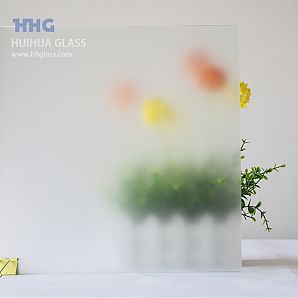
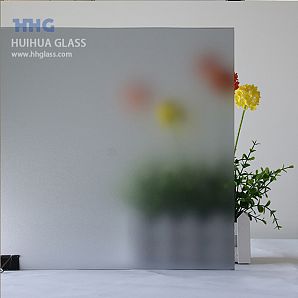
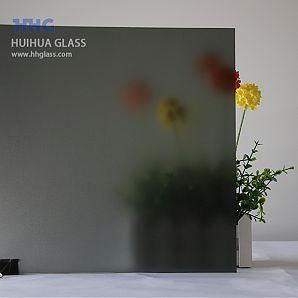
1. What Is an Acid-Etched Mirror?
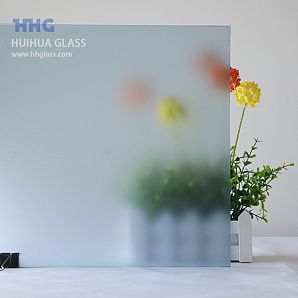
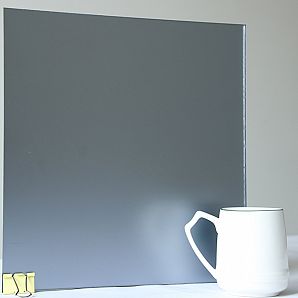
An acid-etched mirror is a decorative architectural mirror featuring a chemically treated glass surface that creates a soft, diffused reflection rather than the sharp image produced by a conventional mirror.
It is manufactured using a mirror glass substrate with a reflective metallic backing. One surface of the glass is treated through a controlled chemical etching process, creating a finely textured finish that scatters reflected light.
Unlike traditional clear mirrors, which produce bright and direct reflections, acid-etched mirrors soften reflected images and reduce visual glare. They retain the reflective qualities of mirror glass while introducing a distinctive satin or frosted appearance.
The result is a sophisticated material that combines the functionality of a mirror with the decorative qualities of etched glass.
Acid-etched mirrors are widely used in modern architecture and interior design, including hotel lobbies, residential bathrooms, office interiors, retail spaces, restaurants, elevators, and decorative wall installations.
With different finishes, colors, opacity levels, and customized patterns available, they offer architects and designers considerable flexibility in creating distinctive interior environments.
2. How Are Acid-Etched Mirrors Made?
The manufacturing process combines conventional mirror production with specialized chemical surface treatment. Each stage affects the final appearance, reflectivity, durability, and overall quality of the mirror.
2.1 Raw Glass Selection
The process begins with selecting high-quality float glass as the substrate.
The base glass determines the clarity, color, flatness, and optical characteristics of the finished mirror.
Common options include:
Clear float glass: Provides a conventional reflective appearance.
Low-iron glass: Offers higher transparency and a cleaner, more neutral appearance.
Tinted glass: Creates decorative effects with grey, bronze, or other colored finishes.
The appropriate substrate depends on the desired appearance and project requirements.
2.2 Mirror Silvering and Protective Backing
The selected glass is processed into mirror glass by applying a reflective metallic layer, typically silver, to its rear surface.
A protective backing system is then applied to help protect the reflective layer from moisture, corrosion, and environmental damage.
Depending on the manufacturing system, this backing may include copper and protective paint layers or alternative protective coatings.
The quality of the reflective layer and its protective backing plays an important role in the mirror's long-term performance.
2.3 Chemical Acid Etching
Acid etching is the key process that distinguishes acid-etched mirrors from conventional mirrors.
The designated viewing surface of the mirror is treated with a controlled chemical etching process. Industrial etching commonly uses hydrofluoric-acid-based chemistry or specialized acid formulations suitable for glass processing.
The chemical reaction microscopically modifies the glass surface, creating a fine texture that scatters light.
The final appearance depends on several manufacturing variables, including:
Chemical formulation
Etching duration
Temperature
Surface treatment method
Glass quality
Process control and uniformity
Carefully controlled processing produces a consistent satin or frosted appearance across the mirror surface.
Because the texture is formed directly in the glass, it does not depend on an adhesive film or an applied frosting coating.
Note: Industrial acid etching requires specialized equipment, chemical handling procedures, and environmental controls. It is not a suitable DIY process.
2.4 Surface Finishing and Quality Inspection
After etching, the mirror undergoes cleaning, inspection, and finishing.
Quality inspection typically focuses on:
Surface texture and uniformity
Reflective quality
Color consistency
Edge condition
Dimensional accuracy
Backing integrity
Visible defects and contamination
For customized architectural projects, additional checks may be required for cutting, edge polishing, drilling, lamination, or other fabrication operations.
2.5 Custom Fabrication and Processing
Depending on the intended application, acid-etched mirrors can be processed into different shapes and configurations.
Available fabrication options may include:
Custom cutting and sizing
Edge polishing and beveling
Drilling and cutouts
Decorative patterns
Laminated mirror configurations
Customized tinted finishes
Processing capabilities and limitations depend on the mirror construction and manufacturer's specifications.
3. Different Types and Finishes of Acid-Etched Mirrors
Acid-etched mirrors are available in different surface finishes and visual effects. Choosing the appropriate finish is important for achieving the desired balance between reflectivity, privacy, light diffusion, and decorative appearance.
3.1 Satin Finish Acid-Etched Mirror
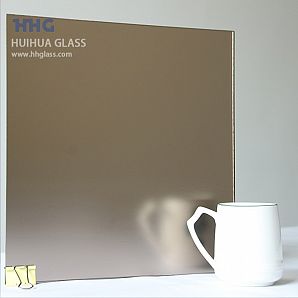
Satin-finish acid-etched mirrors feature a relatively smooth, finely textured surface with a subtle metallic appearance.
The surface diffuses reflected light while retaining a noticeable level of reflectivity.
Compared with a conventional clear mirror, the reflection is softer and less intense, creating a refined decorative effect without completely obscuring the reflected image.
Key characteristics:
Smooth, satin-like surface
Soft and diffused reflection
Subtle metallic appearance
Reduced visual glare
Suitable for contemporary interior design
Satin finishes are particularly suitable for decorative wall panels, hotel interiors, furniture, bathrooms, and retail displays.
3.2 Opaque Finish Acid-Etched Mirror
Opaque-finish acid-etched mirrors feature a more heavily diffusing surface, producing a frosted appearance with significantly reduced reflection.
Compared with satin finishes, opaque finishes provide a more subdued visual effect and a greater degree of visual obscuration.
Key characteristics:
More pronounced frosted appearance
Lower reflected image clarity
Stronger light diffusion
Subtle and understated decorative effect
Suitable for privacy-oriented interior applications
Opaque finishes are commonly used for decorative panels, feature walls, partitions, and applications where a softer visual appearance is preferred.
3.3 Tinted Acid-Etched Mirrors
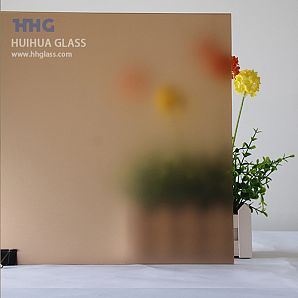
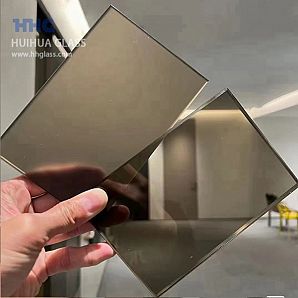
Tinted acid-etched mirrors combine the diffused surface texture with colored mirror substrates.
Popular options include:
Clear acid-etched mirror
Grey acid-etched mirror
Bronze acid-etched mirror
Black acid-etched mirror
Other customized tinted finishes
The color of the substrate influences the final visual effect, while the etched surface softens the reflection and creates additional depth.
Tinted acid-etched mirrors are particularly popular in luxury residential interiors, hotels, restaurants, and high-end commercial spaces.
3.4 Custom Pattern Acid-Etched Mirrors
Custom-pattern acid-etched mirrors combine transparent and etched areas to create decorative designs directly on the glass surface.
Patterns may include:
Geometric designs
Horizontal or vertical lines
Floral and botanical motifs
Abstract patterns
Customized logos and branding
Bespoke architectural patterns
Patterned finishes can be used to create visual interest, establish brand identity, or coordinate mirror panels with other architectural materials.
The design can be customized according to project drawings, dimensions, and decorative requirements.
4. Key Benefits of Acid-Etched Mirrors
Acid-etched mirrors provide several functional and aesthetic advantages over conventional clear mirrors and other decorative surface treatments.
4.1 Soft Reflection and Reduced Glare
One of the main advantages of acid-etched mirrors is their ability to diffuse reflected light.
Traditional mirrors produce sharp reflections that can become visually uncomfortable under strong artificial lighting or direct sunlight.
The etched surface scatters light, creating a softer reflective effect and reducing harsh visual glare.
This makes acid-etched mirrors particularly suitable for spaces where visual comfort and ambient lighting are important.
4.2 Elegant and Modern Appearance
Acid-etched mirrors combine reflective qualities with a refined satin or frosted texture.
Their subtle metallic appearance adds depth and sophistication to interior spaces without the intense reflection of conventional mirrors.
They can complement a wide range of architectural materials, including marble, wood, stainless steel, brass, stone, and decorative metal finishes.
4.3 Permanent Surface Treatment
Unlike adhesive frosting films, acid etching modifies the glass surface itself.
The finish does not rely on an applied film that can peel, bubble, or discolor over time.
When properly manufactured and maintained, the etched appearance remains an integral part of the glass surface.
This makes acid-etched mirrors a durable option for long-term decorative installations.
4.4 Easy Maintenance
Acid-etched mirrors generally require straightforward cleaning and maintenance.
The etched texture does not need special protective films to maintain its appearance.
For routine cleaning, use a suitable glass cleaner and a soft, non-abrasive cloth.
Avoid harsh abrasive cleaners, rough scrubbing pads, and excessive mechanical friction, which may damage the surface texture.
The mirror's rear protective backing and edges should also be protected from prolonged moisture exposure.
4.5 Design Flexibility
Acid-etched mirrors are available in various finishes, colors, dimensions, and patterns.
They can be incorporated into customized architectural designs, including feature walls, decorative panels, furniture, and bespoke interior installations.
Their flexibility makes them suitable for both minimalist spaces and more elaborate luxury interiors.
4.6 Long-Term Decorative Performance
Because the etched texture is formed in the glass rather than applied as a removable film, it is less susceptible to peeling or delamination of the decorative surface.
However, overall service life still depends on the quality of the mirror backing, edge protection, installation, and maintenance conditions.
5. Acid-Etched Mirror vs. Other Decorative Mirror Types
Different mirror treatments produce different visual effects and performance characteristics.
Understanding these differences helps architects, designers, and buyers select the most appropriate material for their projects.
| Comparison | Acid-Etched Mirror | Clear Mirror | Film-Frosted Mirror | Sandblasted Mirror |
|---|---|---|---|---|
| Reflection | Soft and diffused | Sharp and clear | Depends on film | Diffused |
| Surface appearance | Satin or frosted | Smooth and glossy | Frosted film | Textured and matte |
| Permanent finish | Yes | Yes | No | Yes |
| Peeling risk | No surface-film peeling | No | Possible | No |
| Light diffusion | Good | Limited | Good | Good |
| Custom patterns | Available | Limited | Available | Available |
| Surface uniformity | Generally consistent | Clear and uniform | Depends on film | Depends on processing |
| Maintenance | Relatively easy | Easy | Requires film care | Relatively easy |
Acid-Etched Mirror vs. Clear Mirror
Clear mirrors produce direct, sharp reflections and are primarily used where accurate image reflection is required.
Acid-etched mirrors diffuse reflected light, creating a softer visual effect.
Clear mirrors are ideal for functional applications such as dressing mirrors and bathroom vanity mirrors, while acid-etched mirrors are more suitable for decorative installations and architectural feature surfaces.
Acid-Etched Mirror vs. Film-Frosted Mirror
Film-frosted mirrors use an adhesive film applied to the glass surface to create a diffused or frosted appearance.
They are generally easier to customize or replace, but the film may deteriorate, peel, or discolor depending on its quality and environmental exposure.
Acid-etched mirrors provide a permanent surface texture without relying on adhesive materials.
Acid-Etched Mirror vs. Sandblasted Mirror
Sandblasting uses abrasive particles to mechanically roughen the glass surface.
Both sandblasting and acid etching can create frosted appearances, but their surface textures are different.
Acid etching generally produces a finer and more uniform satin-like finish, while sandblasting can create a more pronounced matte texture.
The best option depends on the desired appearance, production requirements, and maintenance expectations.
6. Applications of Acid-Etched Mirrors in Architecture and Interior Design
Acid-etched mirrors are increasingly used in residential, hospitality, retail, and commercial environments.
Their ability to diffuse reflected light while maintaining a sense of spatial depth makes them particularly attractive for modern architectural projects.
6.1 Hotel Lobbies and Reception Areas
Hotel lobbies often use decorative mirrors to create a sense of openness, brightness, and luxury.
However, large clear mirrors can produce excessive reflections from lighting fixtures, furniture, and people moving through the space.
Acid-etched mirror panels provide a softer reflective effect, helping create an elegant atmosphere without overwhelming the overall interior design.
They can be installed on feature walls, reception counters, decorative columns, and ceiling elements.
6.2 Elevators and Lift Interiors
Elevator interiors often have limited space, making material selection particularly important.
Conventional mirrors can create repetitive reflections and a visually overwhelming environment.
Acid-etched mirrors offer a more subtle alternative, helping create a sense of openness while reducing the intensity of reflected images.
They can also be customized with patterns, tinted finishes, and decorative borders to complement the building's interior design.
6.3 Bathrooms and Vanity Areas
Acid-etched mirrors are widely suitable for decorative bathroom applications.
Their soft reflective appearance creates a sophisticated visual effect, particularly when combined with marble, ceramic tiles, natural stone, and integrated LED lighting.
They can be used for:
Bathroom feature walls
Vanity mirror panels
Decorative mirror borders
Hotel bathroom interiors
Luxury residential bathrooms
For areas exposed to high humidity, the mirror should have suitable moisture-resistant backing, protected edges, and appropriate installation details.
6.4 Spas and Wellness Centers
Spas and wellness facilities emphasize calmness, relaxation, and comfortable lighting.
Acid-etched mirrors complement these environments through their soft reflection and understated decorative appearance.
They can be used in reception areas, changing rooms, relaxation spaces, and decorative wall installations.
For swimming pools, steam rooms, and other high-moisture environments, product specifications and installation details should be carefully evaluated.
6.5 Corporate Offices and Boardrooms
Modern offices frequently use glass and mirrors to create bright, open interiors.
Acid-etched mirrors can be incorporated into reception areas, meeting rooms, corridors, and feature walls.
Their diffused appearance adds visual depth while avoiding some of the harsh reflections associated with clear mirrors.
Custom etched patterns and logos can also help reinforce corporate identity.
6.6 Restaurants and Hospitality Interiors
Restaurants and bars often use decorative mirrors to enhance lighting and create a sense of spaciousness.
Acid-etched mirrors offer a softer reflective effect that complements warm lighting, natural materials, and sophisticated interior finishes.
They can be combined with brass, dark timber, marble, and decorative metal panels to create distinctive feature walls and dining environments.
6.7 Retail Stores and Luxury Boutiques
Retail environments use mirrors to improve visual presentation and enhance the shopping experience.
Acid-etched mirrors can be used in display areas, fitting rooms, decorative partitions, and branded feature walls.
Their customized patterns and tinted finishes provide opportunities for creating distinctive retail interiors.
For applications requiring accurate full-body reflection, conventional clear mirrors may be more appropriate.
6.8 Residential Interior Decoration
In residential projects, acid-etched mirrors are suitable for living rooms, bedrooms, entrance halls, wardrobes, and decorative furniture.
They can be used as full-height wall panels, decorative inserts, cabinet surfaces, or customized interior features.
Their soft reflection helps introduce brightness and visual depth without creating an overly reflective environment.
7. Customization and Fabrication Options
For architectural and commercial projects, customization is often an important consideration.
Acid-etched mirrors can be tailored to meet different design and installation requirements.
7.1 Custom Sizes and Thicknesses
Mirror panels can be cut to project-specific dimensions.
Available sizes and thicknesses depend on the glass substrate, manufacturing equipment, and fabrication capabilities.
Large-format panels can help reduce visible joints in decorative wall installations.
7.2 Custom Colors
Different mirror substrates can produce distinctive decorative effects.
Common choices include clear, grey, bronze, and other tinted mirror finishes.
Color selection should consider the surrounding lighting, interior materials, and desired reflective appearance.
7.3 Custom Opacity and Surface Texture
The degree of surface diffusion influences the amount of visible reflection.
Depending on the manufacturing process, different levels of satin and opaque finishes may be available.
Designers should evaluate physical samples under the intended lighting conditions before confirming the final specification.
7.4 Custom Patterns and Designs
Acid-etched patterns can be developed according to architectural drawings or customer designs.
Geometric patterns, decorative lines, logos, and bespoke graphics can be incorporated into mirror panels.
These customized designs are particularly useful for hospitality projects, commercial interiors, and branded retail environments.
7.5 Laminated Acid-Etched Mirrors
Acid-etched mirror glass can be incorporated into laminated safety-glass constructions where compatible products and fabrication methods are available.
Laminated glass consists of two or more glass layers bonded with an interlayer, such as PVB or SGP.
The interlayer helps retain glass fragments if breakage occurs, improving post-breakage safety.
This configuration can be considered for certain commercial interiors, public buildings, and other applications where safety requirements apply.
The mirror coating, etched surface, interlayer, and laminate construction must be compatible with one another.
8. Important Factors When Selecting Acid-Etched Mirrors
Selecting the right acid-etched mirror involves more than choosing a decorative finish.
The following factors should be evaluated before placing an order or specifying the material for an architectural project.
8.1 Surface Finish
Determine whether the project requires a subtle satin reflection or a more heavily diffused opaque appearance.
The finish should complement the surrounding materials and lighting design.
8.2 Base Glass Quality
The quality of the float glass affects the optical appearance and consistency of the finished mirror.
Low-iron glass may be preferable where a cleaner, more neutral appearance is required.
8.3 Mirror Backing Protection
The reflective backing is an important factor in long-term mirror performance.
For bathrooms and other humid environments, select mirrors with suitable protective backing and ensure that edges are properly sealed and protected.
8.4 Thickness and Dimensions
The appropriate thickness depends on panel dimensions, installation method, support structure, and safety requirements.
Large-format panels may require additional consideration of handling, transportation, and installation.
8.5 Lighting Conditions
The appearance of acid-etched mirrors changes depending on the surrounding lighting.
Natural daylight, warm LED lighting, and direct artificial illumination can produce different visual effects.
Requesting samples and evaluating them under actual project lighting conditions is recommended.
8.6 Safety and Building Regulations
For commercial and public installations, consider applicable safety-glazing requirements.
Depending on the application, laminated safety glass or other suitable safety constructions may be necessary.
Always confirm that the complete mirror assembly meets the relevant local building codes and project specifications.
9. Maintenance and Care of Acid-Etched Mirrors
Proper maintenance helps preserve the appearance and performance of acid-etched mirrors.
Although the etched finish is permanent, the glass surface and reflective backing still require appropriate care.
Recommended maintenance practices include:
Use a soft microfiber cloth for routine cleaning.
Apply a suitable, non-abrasive glass cleaner.
Avoid abrasive pads, rough brushes, and aggressive cleaning chemicals.
Prevent excessive moisture from accumulating around the mirror edges.
Ensure that bathroom and other humid-area installations have suitable ventilation.
Inspect the mirror backing and edge protection periodically for signs of deterioration.
Following these practices helps maintain the surface appearance and extend the service life of the mirror.
10. Frequently Asked Questions About Acid-Etched Mirrors
Q1: What is the difference between an acid-etched mirror and a regular mirror?
A regular mirror produces a sharp and direct reflection. An acid-etched mirror has a chemically textured viewing surface that scatters reflected light, producing a softer and more diffused image.
It combines the reflective properties of mirror glass with a decorative frosted appearance.
Q2: Does an acid-etched mirror still reflect light?
Yes. Unlike ordinary frosted glass, which is generally non-reflective, an acid-etched mirror retains its metallic reflective backing.
However, the etched surface scatters light, so the reflected image is less distinct than that of a conventional clear mirror.
Q3: Is an acid-etched mirror the same as a frosted mirror?
Not exactly.
A frosted mirror is a broad descriptive term that may refer to mirrors treated with films, coatings, sandblasting, or chemical etching.
An acid-etched mirror specifically uses a chemical process to modify the glass surface and create a permanent textured finish.
Q4: Can acid-etched mirrors be used in bathrooms?
Yes. They are suitable for bathroom vanity areas, decorative wall panels, and other interior applications.
However, moisture-resistant mirror backing, proper edge protection, suitable adhesives, and correct installation are important for long-term performance.
Q5: Can acid-etched mirrors be customized?
Yes. Depending on the manufacturer's capabilities, customization options include different sizes, thicknesses, colors, opacity levels, surface finishes, and decorative patterns.
Q6: Are acid-etched mirrors durable?
The etched texture is permanent because it is formed directly in the glass surface rather than applied as a film.
Overall durability depends on the quality of the glass, mirror backing, edge treatment, installation, and maintenance.
Q7: Are acid-etched mirrors easy to clean?
Yes. They can generally be cleaned with suitable glass-cleaning products and a soft cloth.
Avoid abrasive materials and aggressive chemicals that may damage the surface or protective backing.
Q8: Can acid-etched mirrors be tempered?
The ability to temper an acid-etched mirror depends on the manufacturing sequence and product construction.
Because mirror coatings and chemical treatments may have specific processing limitations, tempering compatibility should be confirmed with the manufacturer before production.
Q9: Can acid-etched mirrors be laminated?
Yes, certain acid-etched mirror products can be incorporated into laminated glass assemblies.
The glass surface, mirror backing, interlayer, and lamination process must be compatible to achieve the required bonding and optical quality.
Q10: Are acid-etched mirrors suitable for commercial projects?
Yes. They are widely applicable to hotels, offices, restaurants, shopping centers, elevators, retail stores, and other commercial interiors.
Their decorative appearance, permanent etched finish, and customization options make them suitable for many architectural applications.
HHG is a professional glass manufacturer and glass solution provider, including a range of tempered glass, Restoration Glass, laminated glass, textured glass, and etched glass, with more than 20 years of development. There are two production lines for pattern glass, two lines for float glass, and one line for restoration glass. Our products 80% ship to overseas. All our glass products have strict quality control and are carefully packed in strong wooden cases. Ensure you receive the finest quality glass safely in time.
More Details: www.hhglass.com