1. What Is Solar Control Glass?
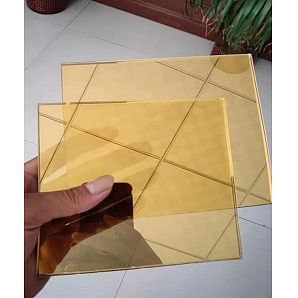
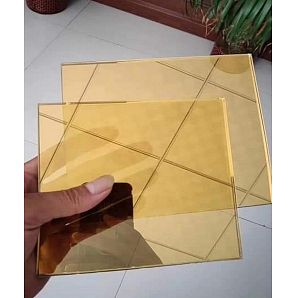
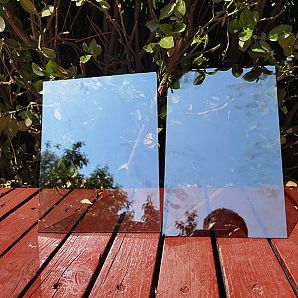
Solar control glass is a specialized architectural glazing solution designed to regulate the amount of solar energy entering a building while maintaining comfortable levels of natural daylight. It helps reduce unwanted solar heat gain, minimize glare, and improve indoor thermal comfort without completely blocking sunlight or outdoor views.
When sunlight passes through conventional clear glass, a significant proportion of solar energy enters the building, increasing indoor temperatures. This can create overheating problems, particularly in buildings with large windows, glass facades, conservatories, skylights, and glazed roof structures.
Solar control glass addresses this challenge through specially developed coatings, tinted glass compositions, or combinations of both. These technologies control how solar radiation is reflected, absorbed, and transmitted through the glazing.
Depending on the glass specification, solar control glazing can provide different levels of solar protection, visible light transmission, thermal insulation, and external reflectivity.
It is widely used in commercial buildings, residential properties, office towers, shopping centers, airports, and other architectural projects where daylight, energy efficiency, and indoor comfort are important considerations.
2. How Does Solar Control Glass Work?
Solar radiation reaching a building consists primarily of ultraviolet (UV), visible light, and infrared (IR) radiation. While visible light provides natural illumination, infrared radiation contributes significantly to solar heat gain.
Solar control glass manages incoming solar energy through three main mechanisms:
2.1 Solar Reflectance
Reflectance refers to the proportion of incoming solar radiation reflected away from the glass surface.
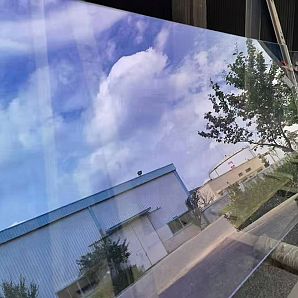
Reflective coatings are designed to redirect a portion of solar energy back toward the exterior, reducing the amount of heat entering the building. Depending on the coating, the glass may have a subtle reflective appearance or a more pronounced mirrored finish.
2.2 Solar Absorptance
Absorptance describes the proportion of solar energy absorbed by the glass itself.
Body-tinted glass and certain coated products absorb more solar radiation than conventional clear glass. The absorbed energy heats the glass pane and is subsequently released toward both the indoor and outdoor environments.
The amount of heat released inward depends on factors such as glass composition, thickness, external exposure, airflow, and glazing configuration.
2.3 Solar Transmittance
Solar transmittance measures the proportion of solar energy passing directly through the glass.
Reducing direct solar transmission helps limit heat entering indoor spaces. However, excessive reduction can also affect natural daylight.
Modern solar control technologies aim to achieve a suitable balance between visible light transmission and solar energy rejection.
2.4 Spectral Selectivity
Spectral selectivity is an important feature of modern high-performance solar control glass.
It describes the ability of glazing to transmit a relatively high proportion of visible light while limiting the transmission of unwanted solar energy, particularly near-infrared radiation.
Highly selective glass can maintain bright interiors and relatively clear outdoor views while reducing solar heat gain.
This makes it particularly suitable for contemporary buildings with large glazed facades and demanding energy-efficiency requirements.
3. Main Types of Solar Control Glass
Solar control glass is available in several different forms. Each type provides different levels of solar protection, light transmission, appearance, and thermal performance.
3.1 Body-Tinted Glass
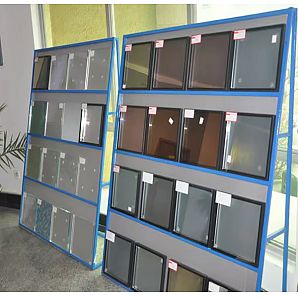
Body-tinted glass is manufactured by adding coloring agents to the glass composition during production. The resulting glass has a consistent color throughout its thickness.
Common colors include:
Grey glass
Green glass
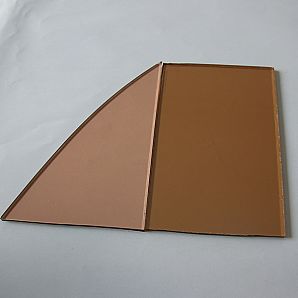
Bronze glass
Blue glass
The tinted composition increases solar absorption and reduces the amount of solar radiation transmitted through the glazing.
Body-tinted glass is generally an economical solar control option. However, its solar control performance depends on the glass color and thickness. Higher absorption can also increase the temperature of the glass pane.
For insulated glass units, body-tinted glass is commonly positioned as the outer pane to help dissipate absorbed heat toward the exterior.
Typical applications: Residential windows, commercial facades, conservatories, and general architectural glazing.
3.2 Reflective Coated Glass
Reflective glass features a thin metallic or metal-oxide coating applied to the glass surface. This coating increases solar reflectance and helps reduce the amount of solar energy entering the building.
Reflective coatings are available in various colors and performance levels, including silver, grey, bronze, blue, and green.
Depending on the coating specification, reflective glass can provide:
Reduced solar heat gain
Improved glare control
Enhanced privacy during daylight hours
Different exterior aesthetic effects
Reduced solar energy transmission
Reflective glass is particularly suitable for buildings with extensive exterior glazing exposed to direct sunlight.
However, higher reflectivity may affect the appearance of the facade and create unwanted reflections in surrounding areas.
Typical applications: Commercial buildings, curtain walls, office towers, shopping centers, and large glazed facades.
3.3 Solar Control Low-E Glass
Solar control Low-E (low-emissivity) glass combines solar energy management with improved thermal insulation.
It uses an advanced, thin coating containing one or more metallic layers, commonly silver, to control solar radiation and reduce heat transfer through the glazing.
Depending on its coating design, solar control Low-E glass can reduce incoming solar heat during warmer months while helping retain indoor heat during colder periods.
Some high-performance products use double-silver or triple-silver coatings to achieve improved thermal and solar performance.
Compared with traditional highly reflective glass, spectrally selective Low-E glass can provide excellent solar protection while maintaining relatively high visible light transmission.
Typical applications: Energy-efficient windows, modern residential buildings, commercial facades, curtain walls, and high-performance insulated glazing systems.
3.4 High-Performance Solar Control Glass
High-performance solar control glass is developed to provide an optimized balance between solar heat rejection, natural daylight, and thermal insulation.
Advanced coating technologies allow manufacturers to produce glass with different combinations of visible light transmission, solar factor, reflectivity, and color neutrality.
These products are available in single-, double-, and triple-silver coating configurations.
Some advanced solutions can also be processed into tempered, laminated, or insulating glass units, subject to the manufacturer's coating and processing specifications.
Typical applications: High-rise buildings, premium office developments, large glazed facades, airports, and projects with demanding energy-efficiency targets.
4. Key Performance Parameters of Solar Control Glass
Selecting solar control glass requires more than simply comparing its color or appearance. Several technical parameters should be evaluated to determine whether the glazing meets the project's requirements.
4.1 Solar Factor (g-Value)
The solar factor, commonly called the g-value or total solar energy transmittance, measures the proportion of incoming solar energy that ultimately enters the building through the glazing.
It includes both directly transmitted solar radiation and the inward-released portion of energy absorbed by the glass.
The g-value is generally expressed on a scale from 0 to 1 or as a percentage.
Lower g-value: Less solar heat enters the building.
Higher g-value: More solar heat enters the building.
For buildings exposed to strong sunlight, a lower g-value can help reduce overheating and cooling requirements.
However, the appropriate value depends on the climate, building orientation, heating and cooling strategy, and desired daylight levels.
4.2 Visible Light Transmission (VLT)
Visible light transmission measures the percentage of visible daylight passing through the glass.
A higher VLT means more natural light can enter the building, potentially reducing the need for artificial lighting during daytime hours.
A lower VLT can help control brightness and glare but may result in darker indoor environments.
The ideal VLT should be selected alongside the solar factor to achieve a suitable balance between daylight and solar protection.
4.3 U-Value
The U-value measures the rate of heat transfer through the glazing due to temperature differences between the indoor and outdoor environments.
It is expressed in W/(m²·K).
A lower U-value indicates better thermal insulation and reduced heat transfer.
Solar control glass with Low-E coatings, particularly when incorporated into double or triple glazing, can provide improved thermal insulation and help maintain comfortable indoor temperatures throughout the year.
It is important to distinguish the U-value from the g-value: the U-value measures heat transfer through the glazing, while the g-value measures solar energy entering the building.
4.4 Shading Coefficient (SC)
The shading coefficient is a traditional measurement used to compare the solar heat gain of glazing with that of standard clear float glass.
A lower shading coefficient indicates better solar shading performance.
Although the shading coefficient is still encountered in some technical specifications, the g-value or SHGC is more commonly used in modern glazing performance comparisons.
4.5 Solar Reflectance and Absorptance
Solar reflectance measures the proportion of incoming solar energy reflected by the glass, while solar absorptance measures the proportion absorbed.
These values help explain how different glass types manage solar radiation.
Reflective glass generally rejects more solar energy through reflection, while body-tinted glass relies more heavily on absorption.
Both parameters should be considered when evaluating glass performance, particularly for large facades and overhead glazing.
5. Benefits of Solar Control Glass
Solar control glass offers several advantages for modern architectural projects.
5.1 Reduces Solar Heat Gain
One of its primary benefits is limiting unwanted solar heat entering indoor spaces.
By controlling the transmission and reflection of solar radiation, solar control glazing helps reduce excessive indoor temperatures, particularly during summer.
This is especially beneficial for buildings with large windows, glass roofs, and extensive curtain wall systems.
5.2 Improves Indoor Comfort
Excessive solar radiation can create uncomfortable temperature differences within a room, especially near sun-facing windows.
Solar control glass helps reduce localized overheating and improves thermal comfort for occupants.
It can also help maintain a more consistent indoor environment when combined with suitable insulation and ventilation systems.
5.3 Reduces Glare
Direct sunlight entering through windows can create uncomfortable glare, affecting computer screens, working environments, and everyday activities.
Solar control glass helps manage incoming sunlight and improve visual comfort, particularly in offices, commercial spaces, and buildings with large glazed elevations.
5.4 Improves Energy Efficiency
By reducing unwanted solar heat gain, solar control glazing can lower the demand for mechanical cooling and air conditioning.
When combined with Low-E coatings and insulated glazing units, it can also reduce heat loss during colder months.
These improvements can contribute to lower building energy consumption and more efficient HVAC operation.
Actual savings depend on climate, building design, glazing area, occupancy, and the overall building energy system.
5.5 Maintains Natural Daylight
Unlike conventional opaque shading solutions, solar control glass can reduce solar heat gain while allowing useful daylight to enter.
Advanced spectrally selective coatings provide a particularly effective balance between natural illumination and solar protection.
This helps architects maintain bright interiors and outdoor views without relying entirely on blinds or artificial lighting.
5.6 Offers Architectural Design Flexibility
Solar control glass is available in different colors, reflectivity levels, and coating technologies.
It can provide a neutral, transparent appearance or a more reflective exterior finish, depending on the design requirements.
Certain products can also be incorporated into curved glazing, oversized glass panels, and customized insulated glass units, subject to product specifications and processing limitations.
6. Applications of Solar Control Glass
Solar control glazing can be used in almost any building application where excessive solar heat gain needs to be managed.
6.1 Glass Facades and Curtain Walls
Modern commercial buildings often feature large glazed facades to maximize daylight and create attractive architectural appearances.
However, extensive glazing can increase solar heat gain and cooling requirements.
Solar control glass helps balance the aesthetic benefits of transparent facades with the need for energy efficiency and indoor comfort.
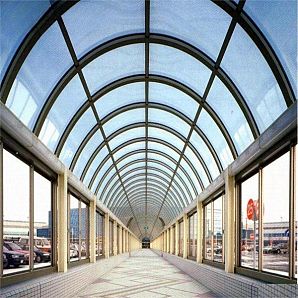
6.2 Roof Glazing and Skylights
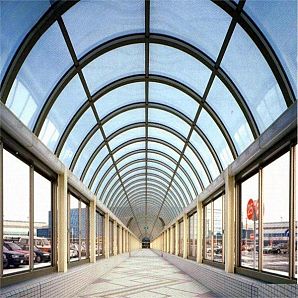
Roof glazing and skylights provide natural daylight from above, but they can also expose indoor spaces to substantial solar radiation.
Solar control glass is particularly important for these applications because overhead glazing receives direct sunlight and can contribute to overheating.
Selecting the appropriate solar factor and visible light transmission helps maintain comfortable indoor conditions while preserving natural illumination.
6.3 Residential Windows and Doors
Solar control glass is increasingly used in residential windows, sliding doors, conservatories, and large glazed living spaces.
It helps reduce unwanted summer heat gain while maintaining natural light and outdoor views.
When combined with Low-E coatings and double or triple glazing, it can provide improved year-round thermal performance.
6.4 Commercial and Public Buildings
Office buildings, shopping malls, airports, hotels, hospitals, and educational facilities often have extensive glazing areas.
Solar control glass helps improve occupant comfort, manage glare, and reduce the energy demand associated with cooling and artificial lighting.
6.5 Curved and Oversized Glazing
Modern architectural projects increasingly incorporate curved glass and large-format glazing panels.
Specialized solar control glass products can be designed to withstand certain bending and processing operations while maintaining their intended optical and solar performance.
Product compatibility should always be confirmed with the glass manufacturer before fabrication.
7. How to Choose the Right Solar Control Glass
Choosing the right solar control glass requires evaluating the building's location, orientation, design, and energy performance objectives.
There is no single specification suitable for every project.
The following factors should be considered during the selection process.
7.1 Climate and Geographic Location
Buildings in hot climates generally require stronger solar protection to minimize cooling loads and prevent overheating.
In temperate climates, designers may need to balance summer solar control with the benefits of passive solar heating during winter.
The local climate should therefore influence the selection of the glass's g-value, VLT, and U-value.
7.2 Building Orientation
The orientation of windows and facades affects the amount and intensity of incoming solar radiation.
South-, east-, and west-facing glazing may require different solar control specifications depending on the location and local sun path.
West-facing windows, for example, can receive strong afternoon sunlight, potentially increasing indoor temperatures.
7.3 Glazing Area and Building Design
Large glazed areas generally allow more solar energy to enter a building.
Buildings with extensive curtain walls, glass roofs, and skylights may require more effective solar control solutions than buildings with smaller window areas.
External shading devices, overhangs, blinds, and ventilation systems should also be considered as part of the overall design strategy.
7.4 Visible Light and Solar Heat Balance
A low g-value is beneficial for reducing solar heat gain, but it should not be considered independently of VLT.
If daylight transmission is too low, the building may require additional artificial lighting.
High-performance spectrally selective glass can provide a better balance by allowing more visible light while limiting unwanted solar energy.
7.5 Thermal Insulation Requirements
Solar control performance and thermal insulation are two different aspects of glazing performance.
For buildings that require year-round energy efficiency, solar control glass should be evaluated alongside its U-value.
Double or triple insulating glass units with suitable Low-E coatings can improve overall thermal performance.
7.6 Appearance and Reflectivity
Glass color, transparency, reflectivity, and exterior appearance are important architectural considerations.
Designers should evaluate the appearance of the glass under different lighting conditions, as the visual effect can change between daytime and nighttime.
Sample testing and facade mock-ups can help confirm the final aesthetic result.
8. Combining Solar Control Glass with Other Glass Technologies
Solar control glass can be combined with other glass products to achieve additional functional benefits.
Solar Control Glass + Low-E Glass
Combining solar control properties with Low-E technology helps manage both solar heat gain and heat transfer through the glazing.
This combination is particularly useful for buildings requiring year-round thermal performance.
Solar Control Glass + Double or Triple Glazing
An insulated glass unit (IGU) consists of two or more glass panes separated by a sealed cavity, typically filled with air or insulating gas.
Incorporating solar control glass into an IGU can improve solar protection while providing better thermal insulation than single glazing.
The coating position is an important specification consideration. For many solar control IGUs, placing the coating on surface #2 (the cavity-facing surface of the outer pane) can help achieve effective solar control. However, the optimal configuration depends on the coating and the complete glazing design.
Solar Control Glass + Laminated Glass
Laminated glass consists of two or more glass panes bonded together using an interlayer, commonly PVB or another suitable material.
Combining solar control coatings with laminated glass can provide additional safety, security, and sound insulation benefits.
The coating, interlayer, and fabrication process must be compatible with the intended glass configuration.
Solar Control Glass + Tempered Glass
Tempered glass is heat-treated to improve its mechanical strength and resistance to thermal stress.
Certain solar control coated glass products can be tempered to meet safety requirements for doors, facades, overhead glazing, and other applications.
However, coating compatibility, heat-treatment requirements, and processing instructions should be confirmed before production.
9. Solar Control Glass vs. Standard Clear Glass
The main difference between solar control glass and standard clear float glass is their ability to manage incoming solar energy.
| Performance | Standard Clear Glass | Solar Control Glass |
|---|---|---|
| Solar heat gain | Generally higher | Designed to reduce |
| Visible light | Generally high | Varies by specification |
| Glare control | Limited | Improved, depending on type |
| Solar reflectance | Generally low | Varies from low to high |
| Energy efficiency | Depends on glazing configuration | Can improve cooling performance |
| Appearance | Generally transparent | Clear, tinted, or reflective |
| Typical applications | General windows and glazing | Facades, skylights, windows, and curtain walls |
The actual performance of either glass type depends on thickness, coating, pane configuration, and the complete glazing system.
10. Frequently Asked Questions About Solar Control Glass
Q1: What is the main purpose of solar control glass?
Solar control glass is designed to reduce unwanted solar heat entering a building while maintaining natural daylight. It helps control indoor temperatures, reduce glare, and improve energy efficiency.
Q2: Does solar control glass block natural light?
No. Solar control glass is designed to manage solar energy rather than completely block sunlight. Depending on the specification, it can maintain high visible light transmission while reducing solar heat gain.
Q3: Is solar control glass the same as Low-E glass?
No. Solar control glass primarily manages incoming solar radiation, while Low-E glass reduces heat transfer through the glazing by limiting thermal radiation.
However, many modern solar control products also incorporate Low-E properties, combining solar protection with thermal insulation.
Q4: What is the ideal g-value for solar control glass?
There is no universal ideal g-value. A lower g-value generally provides stronger solar heat control, making it suitable for buildings exposed to intense sunlight.
However, the appropriate value depends on climate, orientation, daylight requirements, and heating and cooling strategies.
Q5: Can solar control glass be used in skylights and glass roofs?
Yes. Solar control glass is particularly useful for skylights, rooflights, conservatories, and glazed roof structures because these applications can receive significant direct solar radiation.
The specification should also consider thermal insulation, safety requirements, ventilation, and potential thermal stress.
Q6: Does solar control glass help reduce electricity costs?
Yes. By reducing unwanted solar heat gain, it can lower air-conditioning requirements during warmer periods. When combined with suitable Low-E coatings and insulating glass units, it may also help reduce heating energy consumption.
Actual savings depend on the building's location, design, and operating conditions.
Q7: Can solar control glass be combined with laminated or tempered glass?
Yes. Many solar control products can be incorporated into laminated or tempered glazing systems. However, compatibility and processing requirements vary by coating type and manufacturer.
Q8: Is reflective glass always better than neutral solar control glass?
Not necessarily. Reflective glass may provide stronger solar reflection and a distinctive exterior appearance, while neutral solar control glass can offer a more transparent look and natural outdoor views.
The best choice depends on the required solar performance, daylight levels, aesthetics, and project specifications.
HHG is a professional glass manufacturer and glass solution provider, including a range of tempered glass, Restoration Glass, laminated glass, textured glass, and etched glass, with more than 20 years of development. There are two production lines for pattern glass, two lines for float glass, and one line for restoration glass. Our products 80% ship to overseas. All our glass products have strict quality control and are carefully packed in strong wooden cases. Ensure you receive the finest quality glass safely in time.
More Details: www.hhglass.com