1. What Is Float Glass?
Float glass is a type of flat glass manufactured by floating molten glass on a bath of molten tin. This manufacturing method produces glass with smooth, flat, and parallel surfaces, consistent thickness, and excellent optical clarity.
It is the primary raw material used in the architectural glass and construction industries. Most modern glass products, including tempered glass, laminated glass, insulated glass units (IGUs), mirrors, and coated glass, are manufactured using float glass as their starting material.
Compared with older plate glass manufacturing methods, the float process provides better surface quality, dimensional consistency, and production efficiency without requiring extensive mechanical grinding or polishing.
Float glass is available in different thicknesses, colors, and compositions to meet various functional and decorative requirements.
Its combination of transparency, chemical stability, surface quality, and processing flexibility makes it suitable for residential windows, commercial facades, interior partitions, furniture, display cases, and many industrial applications.
2. How Is Float Glass Manufactured?
The float glass manufacturing process involves several carefully controlled stages, from raw material preparation to final inspection and cutting.
The process ensures consistent glass thickness, excellent surface flatness, and high optical quality.
2.1 Raw Material Preparation and Mixing
The manufacturing process begins with preparing and mixing the raw materials in precise proportions.
The main ingredients include:
Silica sand: The primary glass-forming material.
Soda ash: Lowers the melting temperature of silica.
Limestone: Helps improve chemical stability and durability.
Dolomite: Supplies calcium and magnesium oxides.
Recycled glass (cullet): Reduces raw material consumption and helps improve melting efficiency.
Other additives: Used to adjust the glass composition and specific properties.
The prepared batch is thoroughly mixed to ensure a consistent chemical composition before entering the melting furnace.
2.2 Glass Melting
The raw material mixture is fed into a high-temperature furnace, where it is heated to approximately 1,500–1,600°C until it becomes molten glass.
During this stage, the raw materials undergo chemical reactions and melting processes to form a homogeneous liquid.
The molten glass is carefully controlled to minimize bubbles, inclusions, and other defects that could affect the final product's optical quality.
2.3 The Float Bath: Floating Molten Glass on Tin
The molten glass then flows continuously onto a bath of molten tin inside a controlled atmosphere.
Because molten glass is less dense than molten tin, it floats and spreads evenly across the surface.
The tin bath provides a smooth, level supporting surface, allowing the glass to form a continuous ribbon with flat, parallel surfaces.
The glass ribbon gradually spreads and solidifies as it moves through the float bath.
Thickness is controlled through several factors, including the glass flow rate, ribbon speed, and processing equipment.
This stage is the defining feature of the float glass manufacturing process and is responsible for its excellent surface flatness and thickness uniformity.
2.4 Annealing and Controlled Cooling
After leaving the float bath, the glass ribbon enters an annealing lehr, where it is gradually cooled under controlled conditions.
During this stage, internal stresses created during cooling are reduced through a carefully managed temperature cycle.
Proper annealing is essential because uncontrolled cooling can produce excessive residual stress, increasing the risk of breakage during subsequent cutting and processing.
The annealing process helps stabilize the glass and prepare it for further fabrication.
2.5 Inspection and Quality Control
After annealing, the glass undergoes automated and manual inspection to identify potential defects.
Typical inspection items include:
Surface scratches
Bubbles and inclusions
Stones and foreign particles
Optical distortion
Thickness variations
Surface flatness
Dimensional accuracy
Advanced inspection systems use optical scanners and other detection technologies to identify defects that may not be easily visible to the naked eye.
Glass that meets the required quality standards proceeds to cutting and packaging.
2.6 Cutting and Packaging
The continuous glass ribbon is cut into standard or customized sheet sizes according to customer requirements.
Depending on the intended application, the glass may be supplied as full sheets or processed into smaller dimensions.
Protective materials and suitable packaging are used to prevent scratching, edge damage, and breakage during storage and transportation.
3. Main Types of Float Glass
Float glass is available in different compositions and colors to meet various architectural, decorative, and industrial requirements.
The most common categories include clear float glass, ultra-clear glass, and body-tinted glass.
3.1 Clear Float Glass
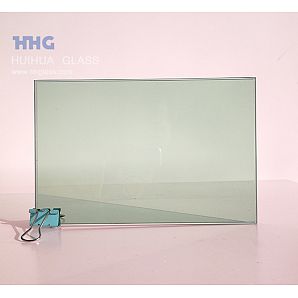
Clear float glass is the most widely used type of standard flat glass.
It offers good transparency, a smooth surface, and reliable optical performance.
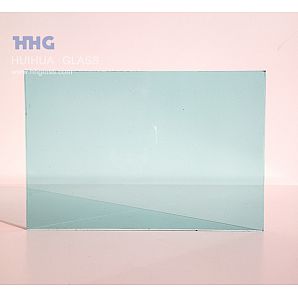
Its slight green tint comes from naturally occurring iron oxide in the raw materials. This tint becomes more noticeable as glass thickness increases.
Key characteristics:
Smooth and flat surfaces
Good visible light transmission
Consistent thickness
Suitable for various glass fabrication processes
Economical and widely available
Common applications include residential windows, commercial glazing, furniture, glass partitions, mirrors, and general architectural glass products.
3.2 Ultra-Clear Float Glass (Low-Iron Glass)
Ultra-clear float glass, also known as low-iron glass, is manufactured using raw materials with a reduced iron content.
Compared with standard clear float glass, it offers higher visible light transmission and significantly less green coloration.
Its neutral appearance makes it particularly suitable for applications where color accuracy, transparency, and exposed glass edges are important.
Key characteristics:
High optical clarity
Reduced green tint
Higher visible light transmission
Excellent color neutrality
Attractive appearance for premium applications
Common applications include:
Glass display cases
Luxury storefronts
Glass railings and balustrades
Premium furniture
Decorative glass panels
Solar applications
High-end architectural facades
Low-iron glass is particularly beneficial for thicker glass panels because the green edge coloration of standard clear glass becomes more noticeable as thickness increases.
3.3 Tinted Float Glass
Tinted float glass is manufactured by adding selected coloring agents, typically metal oxides, to the glass batch during melting.
The coloring agents create different glass colors and influence the transmission, absorption, and reflection of visible and solar radiation.
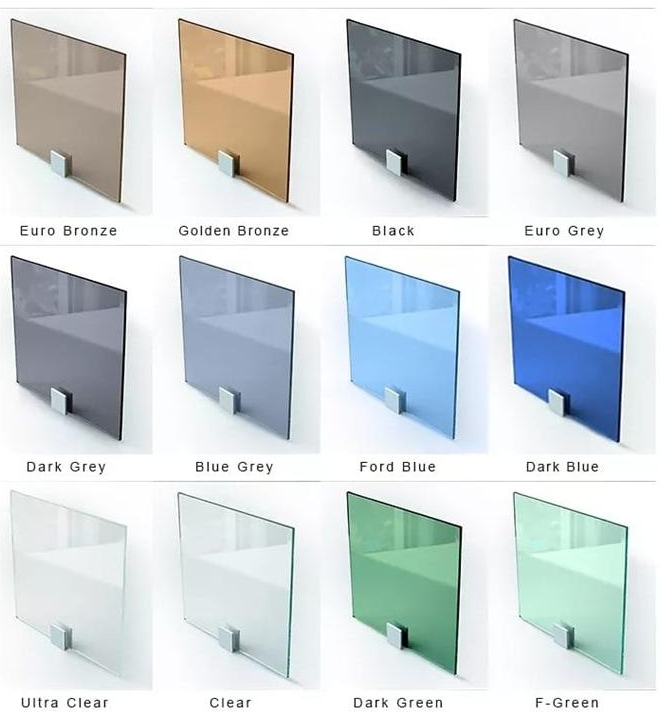
Common colors include:
Grey float glass
Bronze float glass
Green float glass
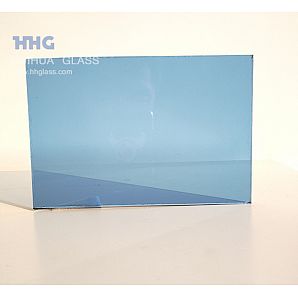
Blue float glass
Each color provides a different visual appearance and solar performance.
Grey Glass
Grey tinted glass offers a neutral, understated appearance and is widely used in modern architectural designs.
It helps reduce visible light transmission and solar energy entering buildings, depending on the glass composition and thickness.
Bronze Glass
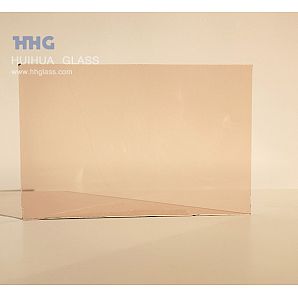
Bronze glass provides a warm decorative appearance and is commonly used in commercial facades, residential windows, and interior design.
It offers a distinctive aesthetic while modifying light and solar energy transmission.
Green Glass
Green glass provides a natural appearance and is commonly used in architectural glazing.
Its solar and optical properties depend on the specific composition and thickness.
Blue Glass
Blue glass offers a contemporary decorative appearance and is often selected for commercial facades and modern architectural projects.
Tinted glass can provide solar control benefits, but its actual performance should be evaluated using technical data such as visible light transmittance, solar transmittance, and solar factor.
4. Key Properties and Characteristics of Float Glass
Float glass is widely used because of its excellent combination of optical, physical, and chemical properties.
Understanding these characteristics helps manufacturers, architects, and buyers select the right glass for different applications.
4.1 Excellent Optical Clarity
Float glass provides high transparency and good optical quality, allowing natural daylight to pass through with minimal visual distortion.
Its smooth surface and consistent thickness make it suitable for applications requiring clear visibility and attractive appearance.
Ultra-clear glass provides even higher transparency and reduced color distortion.
4.2 Smooth and Flat Surface
The molten tin bath naturally creates two smooth, parallel glass surfaces.
Unlike older manufacturing methods, the float process generally eliminates the need for extensive surface grinding and polishing.
This flatness makes float glass suitable for coating, lamination, mirror production, and other precision fabrication processes.
4.3 Uniform Thickness
The float process allows manufacturers to control glass thickness through the flow rate of molten glass and the speed of the glass ribbon.
Consistent thickness is important for optical performance, fabrication accuracy, and compatibility with glazing systems.
4.4 Good Chemical Stability
Glass has good resistance to many common chemicals and environmental conditions.
It does not rust or corrode like metals, making it suitable for long-term use in architectural and interior environments.
However, glass can be attacked by hydrofluoric acid and may be affected by strong alkaline chemicals under certain conditions.
4.5 Hard and Durable Surface
Float glass has a relatively hard surface that provides good resistance to everyday wear and cleaning.
However, it is still susceptible to scratching, impact damage, and breakage.
For applications requiring higher mechanical strength or safety performance, further processing such as tempering or lamination may be necessary.
4.6 Light and Solar Energy Transmission
Float glass allows visible light and a portion of solar radiation to pass through.
These characteristics depend on glass composition, color, thickness, and any additional coatings.
Tinted and coated glass products can be designed to control solar heat gain, glare, and daylight transmission more effectively.
4.7 Excellent Processing Flexibility
Float glass serves as the starting material for numerous value-added glass products.
Depending on its composition and specification, it can undergo:
Cutting and edge polishing
Drilling and CNC machining
Tempering
Laminating
Heat strengthening
Coating
Insulating glass assembly
Bending and shaping
Mirror silvering
The suitability of each process depends on the glass type, thickness, coating, and required final product.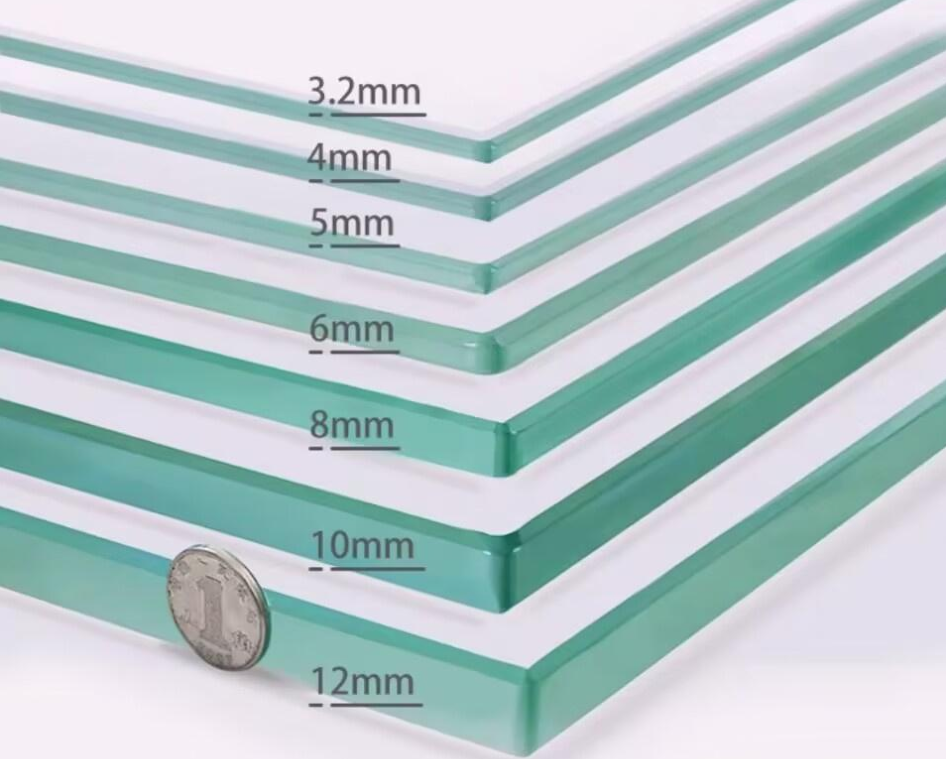
5. Common Float Glass Thicknesses and Applications
Float glass is available in a wide range of thicknesses, depending on manufacturing capabilities and intended applications.
Common thickness options include:
| Glass Thickness | Typical Applications |
|---|---|
| 2–3 mm | Picture frames, small decorative panels |
| 4–5 mm | Furniture, cabinet doors, small windows |
| 6–8 mm | Residential windows, partitions, decorative panels |
| 10–12 mm | Glass doors, shower enclosures, railings |
| 15–19 mm | Heavy-duty panels, furniture, specialized glazing |
| 20 mm and above | Specialized architectural and industrial applications |
These are general application examples rather than fixed specifications.
The appropriate thickness should be determined by panel dimensions, support conditions, wind load, impact requirements, installation method, and applicable safety regulations.
Thicker glass does not automatically qualify as safety glass. Tempering or lamination may be required depending on the intended application.
6. Applications of Float Glass
Float glass is one of the most versatile materials in modern construction and manufacturing.
It can be used directly or further processed into specialized glass products.
6.1 Residential Windows and Doors
Float glass is widely used in residential windows, sliding doors, and other household glazing systems.
Its transparency allows natural daylight to enter living spaces while maintaining visibility to the outside.
For applications requiring additional safety or thermal performance, float glass can be processed into tempered, laminated, or insulating glass units.
6.2 Commercial Buildings and Curtain Walls
Modern commercial buildings frequently incorporate extensive glass facades and curtain wall systems.
Float glass provides the optical quality and surface consistency required for these architectural applications.
Depending on project requirements, it can be further processed with solar control coatings, Low-E coatings, tempering, or lamination.
These treatments help improve energy efficiency, safety, and overall building performance.
6.3 Interior Partitions and Decorative Panels
Float glass is widely used in interior partitions, office dividers, decorative panels, and shower enclosures.
Its smooth surface and clean appearance complement contemporary interior design.
Depending on the application, clear, ultra-clear, tinted, frosted, or back-painted glass can be selected.
6.4 Furniture and Display Cases
Float glass is commonly used in tables, shelves, cabinets, showcases, and retail display systems.
Its transparency provides an unobstructed view of displayed products while creating a clean and modern appearance.
Low-iron glass is particularly suitable for premium display cases where accurate color presentation is important.
For applications involving impact or human contact, appropriate safety-glass processing should be considered.
6.5 Mirror Manufacturing
Float glass is the primary substrate used in conventional mirror manufacturing.
A reflective metallic coating, commonly silver, is applied to one surface, followed by protective backing layers.
The result is a high-quality mirror with a smooth surface and clear reflective properties.
Float glass quality directly influences the final mirror's optical appearance and consistency.
6.6 Solar Energy Applications
Specialized float glass is used in solar energy systems, including photovoltaic modules and solar thermal applications.
Depending on the application, glass may require low iron content, high light transmission, specific surface treatments, or other performance characteristics.
Low-iron glass is particularly valuable in solar applications because it minimizes optical losses and allows more sunlight to reach the energy-generating components.
6.7 Electronics and Industrial Applications
Advanced float glass manufacturing has expanded into applications requiring thinner glass and more precise optical characteristics.
Examples include:
Electronic display substrates
Touchscreen components
Optical applications
Instrument panels
Specialized industrial equipment
These applications may require highly controlled thickness, surface quality, and specialized glass compositions.
7. How Is Float Glass Processed into Other Glass Products?
One of the most important advantages of float glass is its suitability for further fabrication.
Through different processing methods, standard float glass can be transformed into products with improved strength, safety, thermal performance, and decorative properties.
7.1 Tempered Glass
Tempered glass is manufactured by heating cut and processed glass to a high temperature, typically around 620–680°C, followed by rapid controlled cooling.
This process creates a surface compression layer and internal tensile stresses, increasing its mechanical strength and thermal-shock resistance compared with annealed glass of the same thickness and composition.
When broken, fully tempered glass generally fractures into smaller, relatively blunt fragments.
Common applications include glass doors, shower enclosures, railings, storefronts, and other safety-glazing installations.
7.2 Laminated Glass
Laminated glass consists of two or more glass panes bonded together using an interlayer, commonly PVB, SGP, or another suitable material.
If the glass breaks, the interlayer helps retain the fragments and maintain the integrity of the glazing assembly.
Depending on its construction, laminated glass can provide additional safety, security, sound insulation, and UV protection.
Common applications include skylights, glass railings, overhead glazing, automotive glazing, and security glass.
7.3 Insulated Glass Units (IGUs)
An insulated glass unit consists of two or more glass panes separated by a sealed cavity filled with air or insulating gas.
The cavity reduces heat transfer between the indoor and outdoor environments.
IGUs can incorporate clear, tinted, Low-E, or solar control glass to achieve different levels of thermal insulation and solar performance.
They are widely used in residential windows, commercial facades, curtain walls, and energy-efficient buildings.
7.4 Coated Glass
Float glass can receive specialized surface coatings to enhance its functional performance.
Common coating types include:
Low-E coatings: Reduce heat transfer through the glazing.
Solar control coatings: Reduce unwanted solar heat gain.
Reflective coatings: Increase solar reflectance and modify the exterior appearance.
Decorative coatings: Create customized visual effects.
Coated glass is widely used in modern architectural glazing systems.
7.5 Bent and Curved Glass
Float glass can be heated and shaped using specialized bending processes to create curved architectural components.
Depending on the process and final requirements, bent glass may be annealed, heat-strengthened, or tempered.
Common applications include curved facades, revolving doors, display cases, glass furniture, and decorative architectural structures.
7.6 Mirror Glass
Float glass can be transformed into mirror glass through a silvering process.
The rear surface receives a reflective metallic layer and protective coatings to create a durable reflective product.
Different substrates, including clear and low-iron glass, can be used to produce mirrors with different levels of clarity and color neutrality.
8. Float Glass vs. Tempered Glass vs. Laminated Glass
These three terms describe different aspects of glass manufacturing and performance.
Float glass refers to the original manufacturing process and base glass material, while tempered and laminated glass describe further processing methods.
| Comparison | Float Glass | Tempered Glass | Laminated Glass |
|---|---|---|---|
| Manufacturing | Molten glass floated on tin | Heat-treated and rapidly cooled | Two or more panes bonded with an interlayer |
| Strength | Standard annealed glass | Higher mechanical strength | Depends on glass and laminate construction |
| Breakage behavior | Large, sharp fragments | Smaller, relatively blunt fragments | Fragments generally adhere to interlayer |
| Safety performance | Not safety glass by default | Safety-glazing product when compliant | Safety-glazing product when compliant |
| Further processing | Base material | Cannot be cut or drilled after tempering | Requires processing before lamination |
| Common applications | General glazing | Doors, shower screens, railings | Skylights, railings, security glazing |
The right choice depends on the required safety performance, structural design, environmental conditions, and relevant building regulations.
9. Advantages and Limitations of Float Glass
Advantages
Excellent optical quality
The float process produces smooth and flat surfaces with good transparency and minimal optical distortion.
Consistent thickness
Controlled manufacturing ensures reliable dimensional consistency for subsequent glass fabrication.
Wide product selection
Float glass is available in different thicknesses, colors, and compositions to meet diverse requirements.
Versatile processing
It can be further processed into tempered, laminated, coated, insulated, bent, and mirror glass products.
Large-scale production
The continuous float process enables efficient manufacturing of large glass sheets with consistent quality.
Good chemical stability
Glass offers good resistance to many environmental conditions and common chemicals.
Limitations
Limited impact resistance
Standard annealed float glass is relatively vulnerable to impact and can break into sharp fragments.
Not safety glass by default
It does not automatically meet safety-glazing requirements. Tempering or lamination may be necessary.
Thermal stress sensitivity
Uneven heating and cooling can create thermal stress and increase the risk of breakage.
Potential surface damage
Although relatively hard, glass can still be scratched or damaged during handling and fabrication.
Additional processing costs
Applications requiring safety, insulation, solar control, or specialized appearance may involve additional processing and costs.
10. How to Choose the Right Float Glass
Selecting the appropriate float glass requires evaluating the intended application, appearance, processing requirements, and performance expectations.
10.1 Select the Right Glass Type
Different glass compositions offer different optical and aesthetic characteristics.
Clear float glass: Suitable for general architectural and fabrication applications.
Low-iron float glass: Ideal when maximum transparency and color neutrality are required.
Tinted float glass: Suitable for decorative applications and projects requiring modified solar transmission.
10.2 Determine the Required Thickness
Glass thickness should be selected according to panel size, structural support, wind load, impact exposure, and safety requirements.
For large glass panels or demanding applications, professional structural calculations may be necessary.
10.3 Consider Further Processing
Determine whether the glass will undergo tempering, lamination, coating, bending, drilling, or insulating glass assembly.
The selected glass must be compatible with the intended processing method.
For example, glass that requires cutting or drilling should generally undergo these operations before tempering.
10.4 Evaluate Optical Requirements
Consider the required transparency, color neutrality, visible light transmission, and surface quality.
For premium displays and decorative applications, low-iron glass may provide a more desirable appearance.
10.5 Consider Environmental and Energy Requirements
For building applications, evaluate the effects of solar radiation, temperature differences, and thermal insulation.
Tinted or coated glass may be appropriate where solar control or energy efficiency is important.
10.6 Check Quality Standards and Certifications
Depending on the destination market and application, glass may need to comply with relevant standards.
Common examples include:
EN 572: Basic soda-lime silicate glass products.
EN 12150: Thermally toughened soda-lime silicate safety glass.
EN 14449: Laminated glass and laminated safety glass.
ASTM C1036: Standard Specification for Flat Glass.
ASTM C1048: Standard Specification for Heat-Strengthened and Fully Tempered Flat Glass.
Always confirm the applicable standard, edition, product classification, and testing requirements for the target market.
11. Frequently Asked Questions About Float Glass
Q1: What is the main difference between float glass and ordinary glass?
Float glass is a specific type of flat glass manufactured by floating molten glass on a bath of molten tin.
The process produces smooth, parallel surfaces and consistent thickness, making it suitable for modern architectural and industrial applications.
Q2: Is float glass stronger than ordinary glass?
Standard float glass is annealed glass and has relatively limited impact resistance.
It is not as strong as tempered glass of the same thickness and composition. When greater strength or safety performance is required, further processing may be necessary.
Q3: What is the difference between clear float glass and low-iron glass?
Clear float glass contains naturally occurring iron compounds that give it a slight green tint.
Low-iron glass uses raw materials with reduced iron content, resulting in higher transparency and a more neutral appearance.
Q4: Does tinted float glass provide solar control?
Yes. Tinted glass can reduce visible light and solar energy transmission through increased absorption.
However, the actual solar control performance depends on the glass color, composition, thickness, and glazing configuration.
Q5: Can float glass be tempered?
Yes. Float glass is commonly used as the base material for tempered glass.
The glass must first be cut, drilled, and edge-finished before undergoing the heat-treatment process.
Q6: Can float glass be laminated?
Yes. Two or more float glass panes can be bonded together using a suitable interlayer to produce laminated glass.
The resulting product can provide improved safety, security, and acoustic performance depending on its construction.
Q7: What is the maximum thickness of float glass?
Float glass is commercially available in various thicknesses, with common architectural products ranging from approximately 2 mm to 19 mm.
Thicker products, including 20 mm and above, may be available for specialized applications depending on the manufacturer's production capabilities.
Q8: Is float glass suitable for exterior applications?
Yes. Float glass is widely used as the base material for exterior windows, curtain walls, and commercial facades.
However, the final glazing system must meet the project's requirements for wind load, thermal stress, safety, weather resistance, and energy performance.
Q9: Can float glass be used for mirrors?
Yes. Float glass is the standard substrate for most conventional mirror products.
A reflective metallic coating and protective backing are applied to produce the finished mirror.
Q10: What information is needed when ordering float glass?
When requesting a quotation, buyers should provide:
Glass type and color
Glass thickness
Sheet dimensions or cutting sizes
Required quantity
Intended application
Processing requirements
Applicable standards or certifications
Packaging and delivery requirements
Drawings, technical specifications, or reference samples can help ensure accurate product selection and quotation.
HHG is a professional glass manufacturer and glass solution provider, including a range of tempered glass, Restoration Glass, laminated glass, textured glass, and etched glass, with more than 20 years of development. There are two production lines for pattern glass, two lines for float glass, and one line for restoration glass. Our products 80% ship to overseas. All our glass products have strict quality control and are carefully packed in strong wooden cases. Ensure you receive the finest quality glass safely in time.
More Details: www.hhglass.com