Advantages and Disadvantages of Anti-Reflection Glass and Anti-Glare Glass

Anti-Reflection Glass
Advantages:
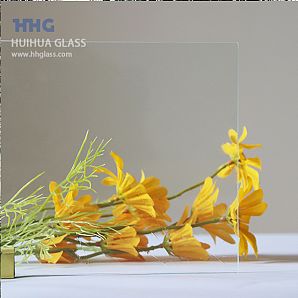
Improved Visibility: Anti-reflection coatings significantly reduce glare from ambient light, enhancing the visibility of displays and reducing distractions. This is especially beneficial in settings like galleries, museums, and retail spaces.
Aesthetic Appeal: The reduction in reflections allows for a cleaner look, making it an excellent choice for showcasing artwork or premium products. The glass appears nearly invisible, drawing more attention to the object behind it.
Durability: Many anti-reflection glasses are treated to be scratch-resistant and are often made from tempered glass, which enhances their strength and longevity. This makes them suitable for high-traffic areas.
Disadvantages:
Cost: The manufacturing process for anti-reflection glass is more complex, resulting in higher costs compared to standard glass. This may limit its use in budget-sensitive projects.
Fragility: Although many are durable, some anti-reflection glasses can be more prone to chipping or breaking compared to traditional options, particularly if not handled properly.
Maintenance: The coatings can be sensitive to certain cleaning chemicals, necessitating special care in maintenance to preserve their effectiveness and appearance.
Anti-Glare Glass
Advantages:
Reduced Eye Strain: By diffusing reflected light, anti-glare glass minimizes discomfort for users, particularly in environments with strong lighting, such as offices or homes with large windows.
Versatility: This type of glass can be used in various applications, from screens on devices to framed pictures and artwork, making it a flexible choice across multiple industries.
Enhanced Comfort: Users experience less fatigue during prolonged viewing periods, making anti-glare glass ideal for environments where people spend significant time looking at screens.
Disadvantages:
Potential Color Distortion: The surface treatment may cause slight alterations in color perception, which can be a concern for photographers or artists who require accurate color representation.
Surface Marks: Anti-glare coatings can be prone to showing fingerprints, smudges, and other marks, necessitating more frequent cleaning compared to non-treated glass.
Limited Options: While there are several types of anti-glare finishes, the range of styles may be less extensive compared to standard glass options, potentially limiting aesthetic choices.
Where are Anti Reflection Glass and Anti Glare Glass applied?
Art Galleries and Museums: Enhances visibility of artwork by minimizing reflections. Display Cases: Ideal for showcasing collectibles and luxury items without distracting glare. Electronic Displays: Used in high-end TVs, monitors, and smartphones to improve screen clarity. Optical Lenses: Utilized in glasses and camera lenses to enhance vision quality. Office Environments: Common in computer screens and monitors to reduce eye strain. Photography and Art Frames: Helps maintain clarity while minimizing reflections on displayed works. Public Transport: Found in bus and train windows to reduce glare for passengers. Outdoor Signage: Used in illuminated signs and displays to improve readability in bright conditions. Each type of glass serves specific purposes based on the need for visibility or comfort in various settings.Anti-Reflection Glass
Anti-Glare Glass
Conclusion
In summary, both Anti-Reflection Glass and Anti-Glare Glass provide valuable benefits tailored to specific needs. Anti-Reflection Glass excels in visibility and aesthetics, making it ideal for displays, while Anti-Glare Glass is perfect for reducing eye strain in bright environments. The ultimate choice should align with the intended application, budget, and aesthetic preferences, ensuring the best fit for your project.
HHG is a professional glass manufacturer and glass solution provider includes range of tempered glass, laminated glass, textured glass and etched glass. With more than 20 years of development. There are two produce lines of pattern glass , two lines of float glass , and one line of restoration glass. our products 80% ship to overseas. All our glass products have strict quality control and carefully packed in strong wooden cases. Ensure you receive the finest quality glass safely in time.
More Details: www.hhglass.com