Glass plays an important role in protecting and displaying valuable objects, artwork, photographs, electronic screens, and architectural features. However, ordinary clear glass can create unwanted reflections and glare under strong lighting conditions, affecting visibility and viewing comfort.
To solve these problems, two specialized glass technologies are commonly used: anti-glare glass and anti-reflective glass. Although these two terms are often used interchangeably, they work in completely different ways and are designed for different applications. Understanding the difference helps designers, manufacturers, and customers choose the right glass solution for their specific needs.
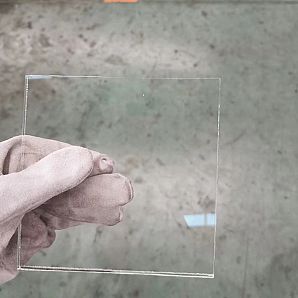

What Is Anti-Glare Glass?
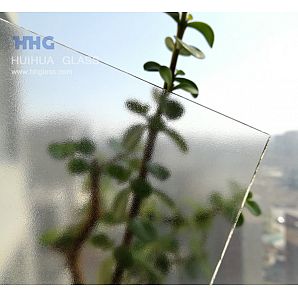
Anti-glare glass (AG glass) is a type of glass designed to reduce visible glare by diffusing reflected light. Instead of eliminating reflections completely, anti-glare glass changes the way light is scattered, making reflections softer and less distracting.
The surface of anti-glare glass is usually treated through chemical etching or surface texturing, creating microscopic irregularities. These tiny textures break up reflected light and distribute it in different directions, reducing sharp reflections.
Because of its matte surface, anti-glare glass is also commonly called:
Non-glare glass
Matte glass
Reflection control glass
How Does Anti-Glare Glass Work?
When light hits normal glass, a portion of the light reflects directly back to the viewer, creating a strong mirror-like reflection.
Anti-glare glass changes the surface structure so that reflected light is scattered instead of concentrated in one direction.
The result is:
Reduced bright spots
Less eye strain
Improved visibility under strong lighting
More comfortable viewing experience
However, because the surface is intentionally textured, there is a slight trade-off between glare reduction and image sharpness. A stronger diffusion effect may reduce optical clarity or contrast in some applications.
Common Applications of Anti-Glare Glass
Anti-glare glass is suitable for applications where controlling strong reflections is more important than achieving maximum optical clarity.
1. Picture Frames and Artwork Display
Anti-glare glass is widely used in picture framing where lighting conditions cannot always be controlled.
Benefits include:
Reducing reflections from lamps and windows
Improving artwork visibility
Creating a comfortable viewing experience
It is commonly used for:
Posters
Printed artwork
Photographs
Decorative displays
2. Digital Displays and Touchscreens
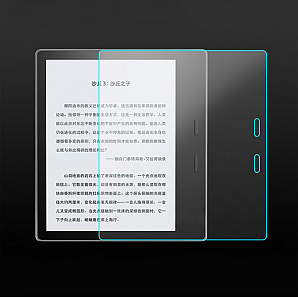
Anti-glare glass is often used for displays installed in bright environments.
Applications include:
Industrial monitors
Outdoor information displays
Control panels
Kiosks
The matte surface helps users view screens more easily under sunlight or strong artificial lighting.
3. Architectural and Commercial Applications
Anti-glare glass can also be used in commercial environments where excessive reflections may affect visibility.
Examples include:
Display windows
Exhibition panels
Public information boards
What Is Anti-Reflective Glass?
Anti-reflective glass (AR glass) is an optical glass product designed to minimize reflections and maximize light transmission.
Unlike anti-glare glass, which uses surface diffusion, anti-reflective glass uses advanced optical coatings to reduce reflection by controlling how light waves interact with the glass surface.
The coating creates destructive interference between reflected light waves, reducing the amount of visible reflection while maintaining a smooth glass surface.
This allows the glass to appear almost invisible while providing excellent image clarity.
How Does Anti-Reflective Glass Work?
Normal glass reflects a certain percentage of incoming light from its surface. These reflections can reduce transparency and create distracting images.
Anti-reflective glass uses thin-film optical coatings applied to the glass surface. These coatings modify reflected light waves so that they cancel each other out.
The result is:
Lower surface reflection
Higher light transmission
Improved image brightness
Better visual clarity
For example, some anti-reflective glass products can achieve reflection levels below 1% while significantly increasing transparency.
Common Applications of Anti-Reflective Glass
Anti-reflective glass is selected for applications where optical performance and image clarity are critical.
1. Museum and Art Display Cases
Museums require glass that protects valuable objects without affecting visibility.
Anti-reflective glass provides:
Clear viewing experience
Reduced reflections
Accurate color reproduction
It is widely used for:
Museum display cases
Fine art frames
Historical collections
2. High-End Picture Framing
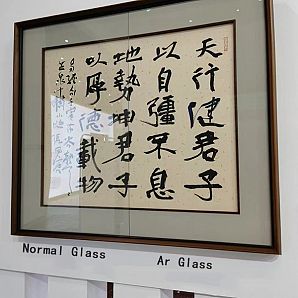
For valuable artwork and photography, anti-reflective glass provides superior clarity compared with standard glass.
Advantages include:
Almost invisible appearance
Better image contrast
Reduced distracting reflections
3. Optical and Electronic Equipment
Anti-reflective glass is widely used in precision applications, including:
Medical devices
Instrument panels
Cameras
Industrial displays
Electronic screens
The low-reflection surface improves readability and performance.
4. Architectural Glass Applications
Modern buildings increasingly use anti-reflective glass for:
Storefronts
Glass facades
Exhibition spaces
Observation areas
It helps create a clearer visual connection between indoor and outdoor environments.
Anti-Glare Glass vs Anti-Reflective Glass: Key Differences
| Feature | Anti-Glare Glass | Anti-Reflective Glass |
|---|---|---|
| Working Principle | Diffuses reflected light | Reduces reflection through optical coating |
| Surface | Matte/textured | Smooth and transparent |
| Reflection Control | Scatters glare | Minimizes reflection |
| Image Clarity | Slight reduction possible | Maintains high clarity |
| Appearance | Frosted effect | Almost invisible |
| Best For | Bright environments | High-quality viewing applications |
Which Glass Should You Choose?
The correct choice depends on the application requirements.
Choose Anti-Glare Glass If:
You need to reduce harsh reflections in bright environments.
Suitable for:
Outdoor displays
Industrial screens
General artwork framing
Information panels
Anti-glare glass is a practical solution when viewing comfort is the priority.
Choose Anti-Reflective Glass If:
You need maximum transparency and optical performance.
Suitable for:
Museums
Luxury retail displays
High-value artwork
Precision equipment
Anti-reflective glass is ideal when preserving image quality is essential.
Can Anti-Glare and Anti-Reflective Technologies Be Combined?
In some advanced glass products, manufacturers combine multiple surface technologies to achieve enhanced performance.
Possible combinations include:
Anti-reflective coatings
UV protection coatings
Scratch-resistant layers
Laminated safety structures
These solutions provide improved protection while maintaining excellent visibility.
How to Educate Customers About the Difference?
Many customers confuse anti-glare and anti-reflective glass because both reduce unwanted reflections. A simple explanation is:
Anti-glare glass reduces reflections by spreading light.
Anti-reflective glass reduces reflections by controlling light waves.
For customers who prioritize:
Lower cost
Reduced glare
General visibility → Anti-glare glass is suitable.
For customers who require:
Maximum clarity
Premium appearance
Minimal reflection → Anti-reflective glass is the better choice.
Providing physical samples and side-by-side comparisons is often the most effective way to demonstrate the difference.
Conclusion
Both anti-glare glass and anti-reflective glass are valuable solutions for controlling unwanted reflections, but they serve different purposes.
Anti-glare glass uses surface diffusion to reduce glare and improve viewing comfort, making it suitable for bright environments and general display applications.
Anti-reflective glass uses advanced optical coatings to minimize reflection while maintaining excellent transparency, making it ideal for museums, premium displays, optical equipment, and high-end architectural applications.
Understanding these differences allows designers, architects, and customers to select the right glass technology for better performance, improved aesthetics, and enhanced user experience.
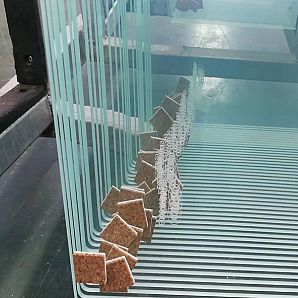
HHG is a professional glass manufacturer and glass solution provider, including a range of tempered glass, Restoration Glass, laminated glass, textured glass, and etched glass, with more than 20 years of development. There are two production lines for pattern glass, two lines for float glass, and one line for restoration glass. Our products 80% ship to overseas. All our glass products have strict quality control and are carefully packed in strong wooden cases. Ensure you receive the finest quality glass safely in time.
More Details: www.hhglass.com