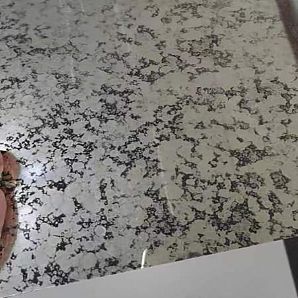
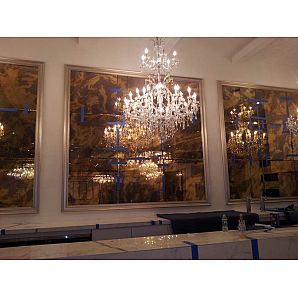
Antique mirror glass, also known as antiqued mirror glass, distressed mirror glass, or vintage mirror glass, is a decorative glass product designed to recreate the elegant appearance of aged mirrors from historical periods. With unique patterns of oxidation, clouding, spots, and irregular reflections, antique mirror glass adds timeless beauty and artistic character to interior spaces.
Unlike modern mirrors that emphasize perfect clarity and uniform reflection, antique mirror glass focuses on creating a vintage aesthetic. It is widely used in luxury hotels, restaurants, residential interiors, furniture, wardrobes, decorative walls, and heritage-style architecture.
The appeal of antique mirror glass comes from its ability to combine the functionality of a mirror with the charm of historical craftsmanship. Each panel has its own unique appearance, making it a popular choice among architects, designers, and homeowners seeking distinctive interior solutions.
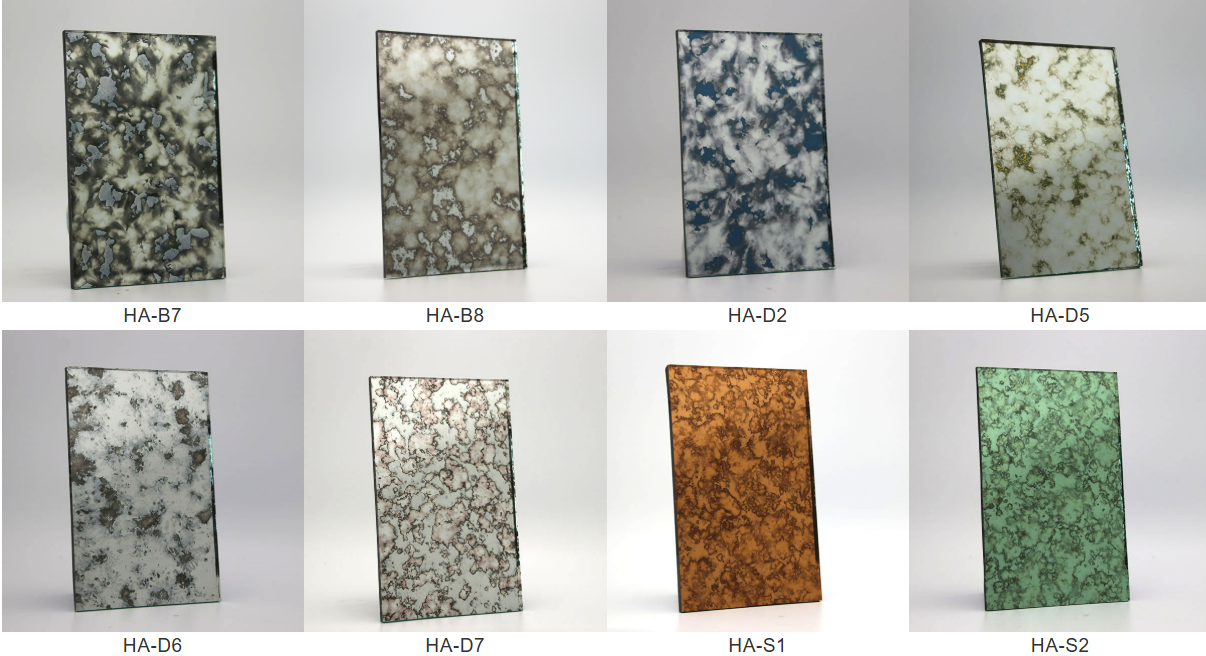
What Is Antique Mirror Glass?
Antique mirror glass is a specially processed mirror that recreates the aged appearance of traditional mirrors. Instead of having a completely clean and uniform reflective surface, antique mirrors feature controlled aging effects such as:
Dark spots
Cloudy areas
Uneven silvering patterns
Vintage stains
Subtle color variations
These effects imitate the natural aging process of old mirrors while maintaining the durability and functionality of modern glass.
Traditional mirrors are made by applying a reflective metal coating, usually silver, to the back of glass and protecting it with additional coatings. The reflective layer can gradually change over time due to oxidation, moisture, and environmental exposure, creating the characteristic antique appearance. Modern antique mirror glass reproduces this effect through controlled manufacturing techniques.
The History of Antique Mirror Glass
The history of mirrors dates back thousands of years, beginning with polished stone and metal surfaces. Early mirrors were made from materials such as bronze, copper, and silver before glass technology developed.
During the Renaissance period, Venetian glassmakers introduced advanced glass mirror techniques using metal coatings on glass surfaces. These early mirrors became valuable decorative items because of their excellent reflective quality and artistic craftsmanship.
In the 19th century, the development of silver-backed glass mirrors made mirrors more accessible. The silvering process created a highly reflective surface by depositing a thin layer of metallic silver onto glass. Over time, aging effects naturally appeared, including black spots, fading, and irregular reflections, which later became associated with antique mirror aesthetics.
Today, antique mirror glass combines traditional visual characteristics with modern manufacturing technology, allowing designers to achieve a historic appearance while maintaining consistent quality.
How Is Antique Mirror Glass Made?
The production of antique mirror glass involves several important steps, including glass preparation, silvering, aging treatment, and protective finishing.
1. Glass Preparation
The process begins with high-quality float glass. The glass surface is carefully cleaned to remove dust, oil, and impurities to ensure proper coating adhesion.
Different glass thicknesses can be selected depending on application requirements, including:
3mm
4mm
5mm
6mm
Custom thickness options
2. Mirror Silvering Process
The glass is coated with a reflective layer, usually silver, which creates the mirror effect.
A traditional silver mirror structure typically includes:
Glass substrate
Silver reflective layer
Protective metal layer
Back paint coating
The protective coatings help prevent corrosion and improve durability.
3. Creating the Antique Effect
The distinctive appearance of antique mirror glass is created through controlled distressing techniques.
Manufacturers may apply special treatments to produce:
Random spots
Edge aging effects
Cloud patterns
Vintage color tones
Irregular reflective areas
Unlike naturally aged mirrors, which may deteriorate unpredictably, modern antique mirror glass allows designers to select specific patterns and styles.
Common finishes include:
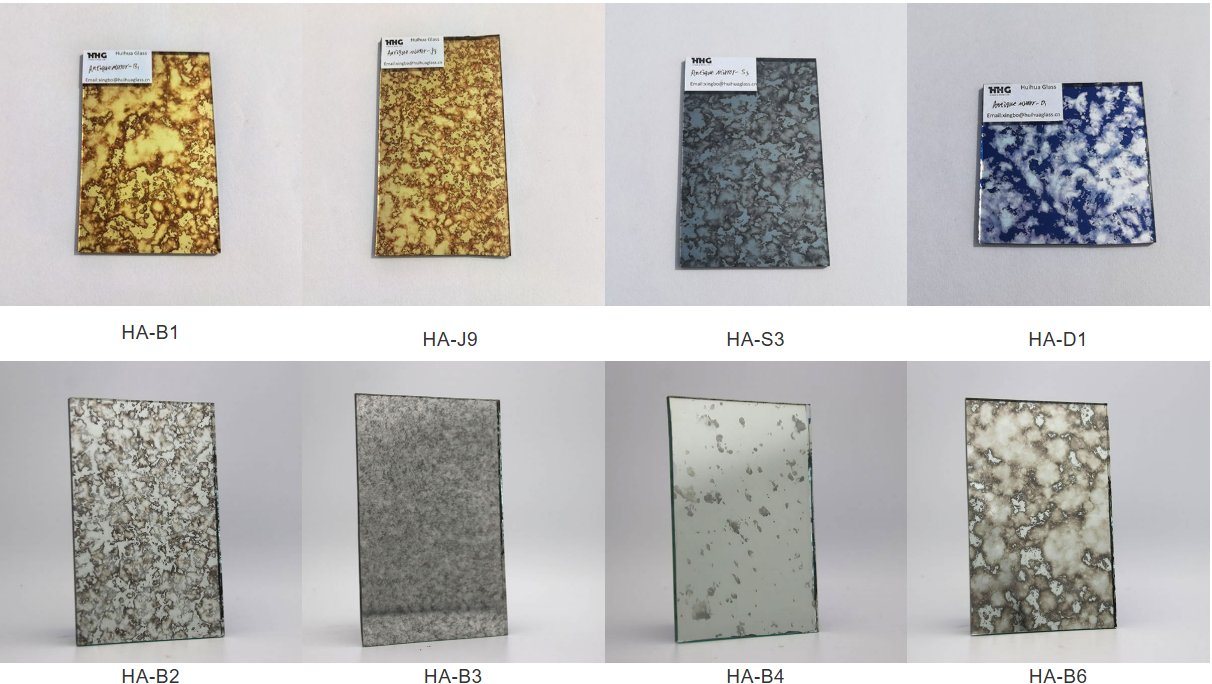
Classic Antique Mirror
Features natural-looking silver deterioration with soft black and gray patterns.
Dark Antique Mirror
Creates a dramatic appearance with deeper tones and stronger aging effects.
Gold Antique Mirror
Adds warm golden colors for luxury interiors.
Bronze Antique Mirror
Provides a warm brown appearance suitable for vintage and classic designs.
Key Features of Antique Mirror Glass
1. Unique Decorative Appearance
The greatest advantage of antique mirror glass is its visual character.
Every panel can have different patterns, giving interiors a handcrafted and artistic feeling.
It creates:
Vintage atmosphere
Luxury appearance
Depth and dimension
Artistic visual effects
2. Combination of Modern Quality and Vintage Style
Although antique mirror glass looks aged, modern manufacturing ensures:
Stable reflective performance
Better durability
Consistent quality
Easier installation
This makes it suitable for both decorative and functional applications.
3. Enhances Interior Space
Mirrors naturally reflect light and create the illusion of larger spaces. Antique mirror glass adds this practical benefit while introducing a sophisticated decorative element.
It is often used to:
Increase visual depth
Improve lighting effects
Create elegant interior styles
Applications of Antique Mirror Glass
1. Interior Wall Decoration
Antique mirror glass is widely used for feature walls in:
Luxury homes
Hotels
Restaurants
Retail stores
Office spaces
Large antique mirror panels create elegant backgrounds while adding a sense of history and sophistication.
2. Furniture Applications
Antique mirror glass is commonly incorporated into furniture designs.
Typical applications include:
Cabinet doors
Wardrobes
Side tables
Coffee tables
Decorative panels
It adds a premium handcrafted appearance to modern and classic furniture styles.
3. Bathroom and Vanity Design
Antique mirrors are frequently used in luxury bathroom designs.
Applications include:
Vanity mirrors
Decorative mirror walls
Custom mirror frames
The aged appearance creates a spa-like and elegant atmosphere.
4. Hospitality and Commercial Spaces
Hotels, bars, restaurants, and boutique stores often use antique mirror glass to create memorable interiors.
Benefits include:
Luxury appearance
Improved ambience
Unique brand identity
Antique mirrors are especially popular in vintage, classic, industrial, and European-style interior designs.
5. Architectural Restoration Projects
Antique mirror glass can also be used in historical restoration projects where designers want to maintain a traditional appearance.
It helps recreate:
Historic interiors
Vintage decorative styles
Classic architectural details
Antique Mirror Glass vs Modern Mirror Glass
| Feature | Antique Mirror Glass | Modern Mirror Glass |
|---|---|---|
| Appearance | Aged, textured, artistic | Clear and uniform |
| Surface Effect | Spots, clouds, variations | Smooth reflection |
| Design Style | Vintage and luxury | Contemporary |
| Application | Decoration and restoration | General mirror use |
| Character | Unique appearance | Standardized look |
Modern mirrors focus on perfect reflection, while antique mirrors emphasize artistic expression.
How to Maintain Antique Mirror Glass?
Although antique mirror glass is designed to look aged, proper care is important to maintain its appearance.
Cleaning Recommendations
Use a soft microfiber cloth
Apply mild glass cleaner carefully
Avoid excessive water near edges
Do not use abrasive cleaning products
Moisture entering the edges can damage the reflective coating and cause deterioration.
Avoid Harsh Chemicals
Strong cleaners containing acids, ammonia, or abrasive materials may affect the mirror coating.
For long-term protection:
Keep edges dry
Avoid direct contact with chemicals
Handle carefully during installation
How to Choose Antique Mirror Glass?
When selecting antique mirror glass, consider:
1. Pattern Style
Choose the aging pattern according to the interior design concept:
Light aging for elegant spaces
Heavy distressing for vintage designs
Custom patterns for luxury projects
2. Color Options
Popular choices include:
Silver antique mirror
Bronze antique mirror
Gold antique mirror
Gray antique mirror
3. Application Requirements
Consider:
Glass thickness
Installation method
Safety requirements
Indoor or commercial use
Working with an experienced manufacturer can help achieve the desired appearance and performance.
Conclusion
Antique mirror glass is more than a reflective surface; it is a decorative material that brings history, craftsmanship, and artistic character into modern interiors.
By combining traditional mirror aesthetics with modern manufacturing technology, antique mirror glass provides designers with a versatile solution for luxury homes, hospitality projects, furniture, and restoration applications.
Its unique aged appearance, customizable patterns, and timeless elegance make antique mirror glass a popular choice for creating sophisticated and memorable spaces. As interior design continues to embrace individuality and vintage-inspired aesthetics, antique mirror glass will remain an important decorative glass material for architects and designers worldwide.
HHG is a professional glass manufacturer and glass solution provider, including a range of tempered glass, Restoration Glass, laminated glass, textured glass, and etched glass, with more than 20 years of development. There are two production lines for pattern glass, two lines for float glass, and one line for restoration glass. Our products 80% ship to overseas. All our glass products have strict quality control and are carefully packed in strong wooden cases. Ensure you receive the finest quality glass safely in time.
More Details: www.hhglass.com