Low-Iron Patterned Solar Glass: Technology, Benefits, and Market Outlook
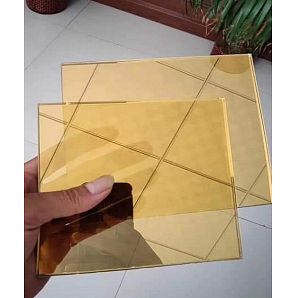
Low-iron patterned solar glass is a high-performance material widely used in photovoltaic (PV) modules and solar energy systems. It combines ultra-clear low-iron composition with engineered surface textures to maximize light transmission and improve energy conversion efficiency. This material has become a key component in modern solar technology as demand grows for higher efficiency and lighter-weight solar modules.
1. What Is Low-Iron Patterned Solar Glass?
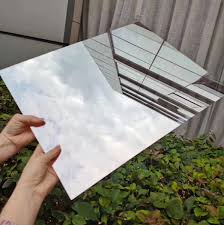
Low-iron solar glass is manufactured with extremely low iron oxide content (typically <150 ppm), which removes the green tint found in standard float glass and significantly improves light transmittance, often exceeding 91–93%.
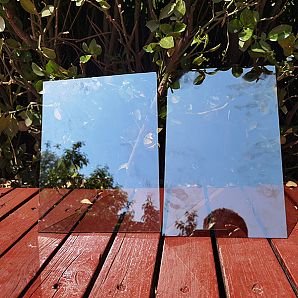
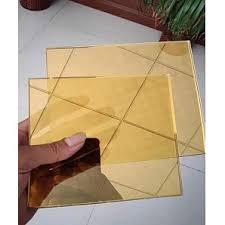
Patterned solar glass adds micro-structured surfaces—such as diamond, pyramid, or prismatic patterns—on one side of the glass. These textures help scatter and trap light, increasing the amount of sunlight absorbed by solar cells and improving energy yield.
2. Key Advantages
High Light Transmittance
Low-iron composition reduces optical absorption, allowing more sunlight to reach PV cells. This directly improves energy output per square meter.
Enhanced Energy Efficiency
Patterned surfaces reduce reflection and increase light trapping. This improves performance, especially in low-light or angled sunlight conditions.
Lightweight and Thin Design
Ultra-thin versions (as low as 1.6 mm) are increasingly used to reduce module weight while maintaining strength, making installation easier and lowering structural load requirements.
Improved Durability
After tempering, the glass becomes significantly stronger, offering resistance to wind pressure, impact, and thermal stress—critical for long-term outdoor solar applications.
High Efficiency in Advanced Modules
Low-iron patterned glass is widely used in bifacial and high-efficiency solar modules, where both front and rear light capture are important for maximizing output.
3. Applications in Solar Industry
Low-iron patterned solar glass is widely used in:
Photovoltaic (PV) module front covers
Bifacial solar panels (dual-glass systems)
Solar thermal collectors
Building-integrated photovoltaics (BIPV)
Green energy architectural applications
It is especially important in modern high-efficiency modules, where even small improvements in light transmission significantly increase energy yield.
4. Manufacturing and Technical Trends
Ultra-Thin Glass Technology
The shift toward 1.6 mm ultra-thin glass reduces weight and improves efficiency but requires advanced tempering technology due to increased fragility and tighter thermal control requirements.
Pattern Engineering
Modern manufacturing uses precision-etched or molded patterns (pyramid, diamond, micro-prism) to optimize light diffusion and reduce reflection losses.
Coatings and Enhancements
Anti-reflective (AR) and anti-soiling coatings are increasingly applied to further improve transmission and reduce maintenance losses.
5. Market Trends and Growth
The global low-iron patterned solar glass market is experiencing steady growth, driven by rising solar energy adoption and efficiency requirements.
High penetration in global PV manufacturing, with over 70% of new solar modules using low-iron glass in recent years
Rapid growth in bifacial and high-efficiency solar modules
Increasing demand for ultra-thin, lightweight glass in Asia and Europe
Expansion of production capacity in China, the world’s leading supplier
Market demand is expected to continue rising as governments and industries push for higher solar efficiency and lower energy costs.
Conclusion
Low-iron patterned solar glass represents a critical evolution in photovoltaic technology. By combining high optical clarity, engineered surface patterns, and advanced ultra-thin designs, it significantly enhances solar panel efficiency while reducing weight and improving durability. As solar energy continues to expand globally, this material is expected to remain a foundational component in next-generation solar systems.
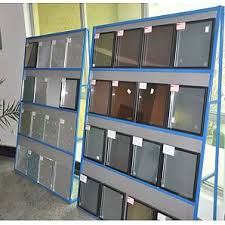
HHG is a professional glass manufacturer and glass solution provider, including a range of tempered glass, laminated glass, textured glass, and etched glass, with more than 20 years of development. There are two production lines for pattern glass, two lines for float glass, and one line for restoration glass. Our products 80% ship to overseas. All our glass products have strict quality control and are carefully packed in strong wooden cases. Ensure you receive the finest quality glass safely in time.
More Details: www.hhglass.com