Learn the difference between anti-glare glass and anti-reflective glass, including working principles, advantages, applications, and how to choose the right glass solution.
Learn what acid etched glass is, how it is made, its benefits, types, and applications in architecture, interior design, partitions, doors, and decorative glass projects.
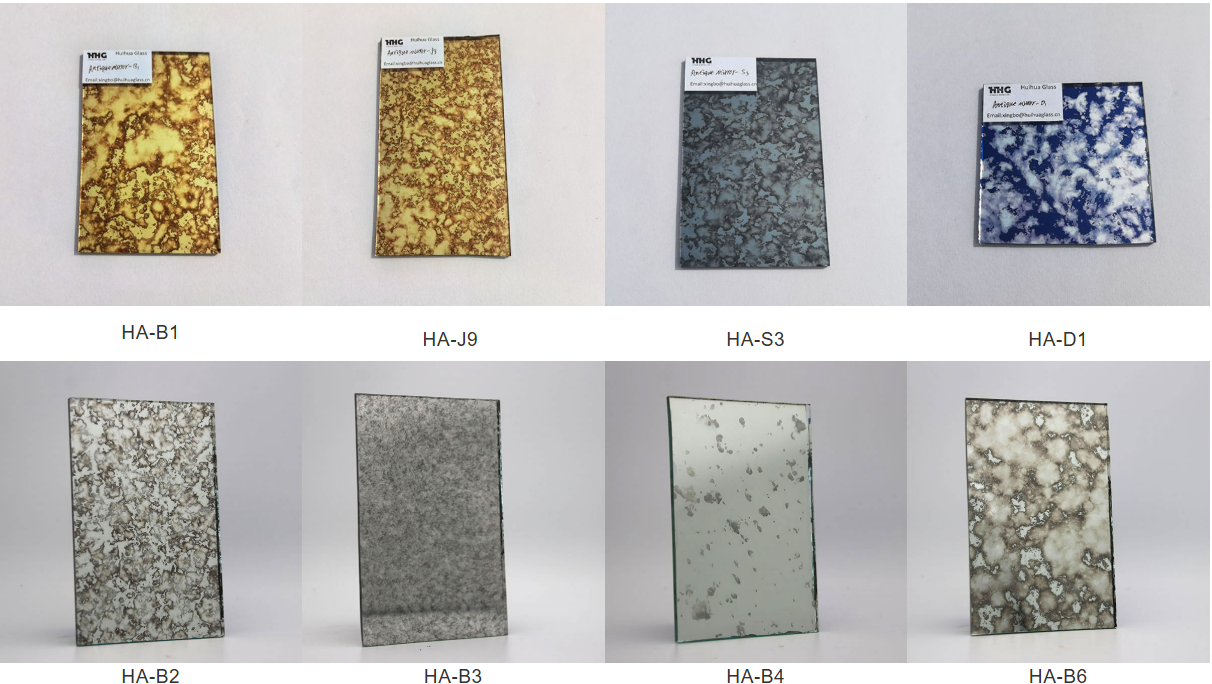
Explore antique mirror glass, including its history, manufacturing process, unique features, applications, and maintenance tips for luxury interior design and restoration projects.
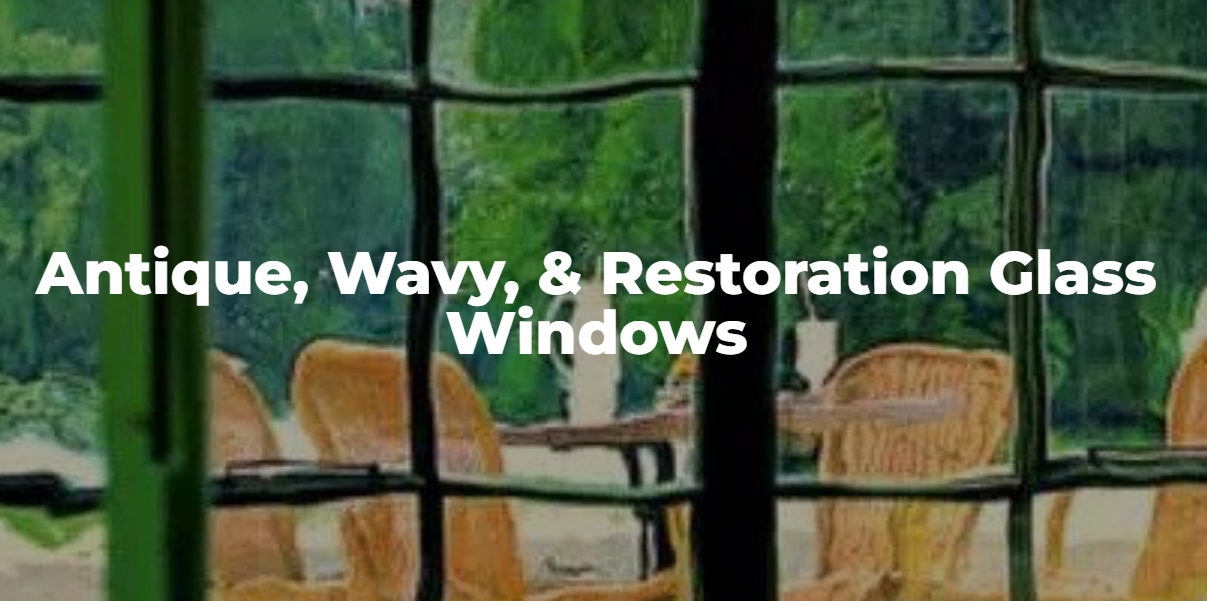
Learn about restoration window glass, including antique wavy glass types, manufacturing methods, applications, and how to choose the right glass for historic preservation projects.
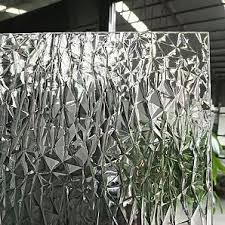
Patterned glass, also known as textured glass, figured glass, or decorative rolled glass, is a type of flat glass with embossed designs on one or both surfaces. It is widely used in architecture, …
Low-iron patterned solar glass is a high-performance material widely used in photovoltaic (PV) modules and solar energy systems. It combines ultra-clear low-iron composition with engineered surface t…
Windows are more than just a source of natural light and ventilation—they are key components of a building's energy performance. Traditional windows can account for 25%–30% of residential heating…
Concave and convex V-shaped grooves are specialized features often found in architectural and functional glass applications. These grooves are not just aesthetic enhancements—they serve specific st…
When it comes to choosing the right glazing material for picture frames, the two most common options are glass and acrylic (also known as plexiglass). Each has distinct advantages and drawbacks depen…
Architectural glass plays a pivotal role in shaping modern buildings, offering exceptional versatility, functionality, and visual appeal. Today’s architects and contractors utilize a range of glass…
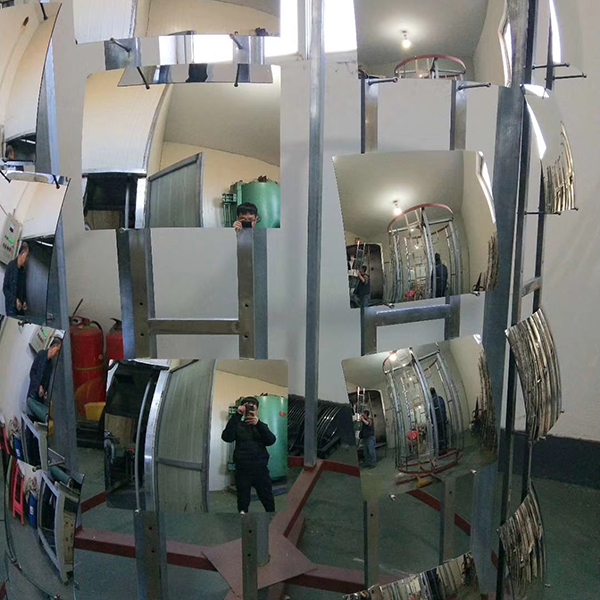
Rearview convex mirrors are widely used in vehicles, buildings, and public spaces for enhanced visibility and safety. They differ by shape, mounting method, material, and intended use.
Toughened glass, also known as tempered glass, is a type of safety glass that has undergone controlled thermal or chemical treatments to increase its strength compared to normal glass. Its unique com…
Frosted glass is created by roughening or etching the surface of clear glass to create a translucent, matte finish that obscures visibility while still allowing light to pass through. The main produc…
Modern buildings are designed to meet the evolving needs of functionality, sustainability, and comfort. Whether for residential, commercial, or industrial purposes, today’s structures incorporate a…
Living in a cold climate means dealing with harsh winters, high heating costs, and the challenge of keeping homes warm and comfortable. One of the most effective ways to enhance energy efficiency and…
Choosing between textured glass and float glass depends on factors such as transparency, privacy, aesthetics, durability, and applications. Here’s an in-depth look at both types to help you decide …
Glass curtain walls have become a popular feature in office buildings for a variety of reasons. These exterior facades offer both functional and aesthetic advantages, making them a key element in mod…
Laminated glass, which consists of two or more layers of glass bonded together with a layer of plastic (usually polyvinyl butyral, or PVB), offers several advantages for those looking to optimize the…